.webp)
TL;DR
- Dental lab management software connects case intake, production stages, technician handoffs, scheduling, inventory, billing, communication, reporting, and delivery.
- The article compares Scispot, Magic Touch, LabStar, Evident, DentaLab Pro, and EasyRx for different dental-lab priorities.
- Choose software by testing case flow, QC, remakes, client communication, billing, inventory, integrations, usability, reporting, support, and scalability.
- Scispot gives dental labs configurable case workflows, structured data, QC checkpoints, inventory links, dashboards, and automation across daily operations.
The top-rated dental lab management software options available
Efficiency and precision are more crucial than ever. As case volumes rise and turnaround times get tighter, dental labs are relying on software to stay organized, reduce remakes, and deliver consistently high-quality outcomes. The right platform doesn’t just help you “track” work. It helps you run the lab with more control and less daily chaos.
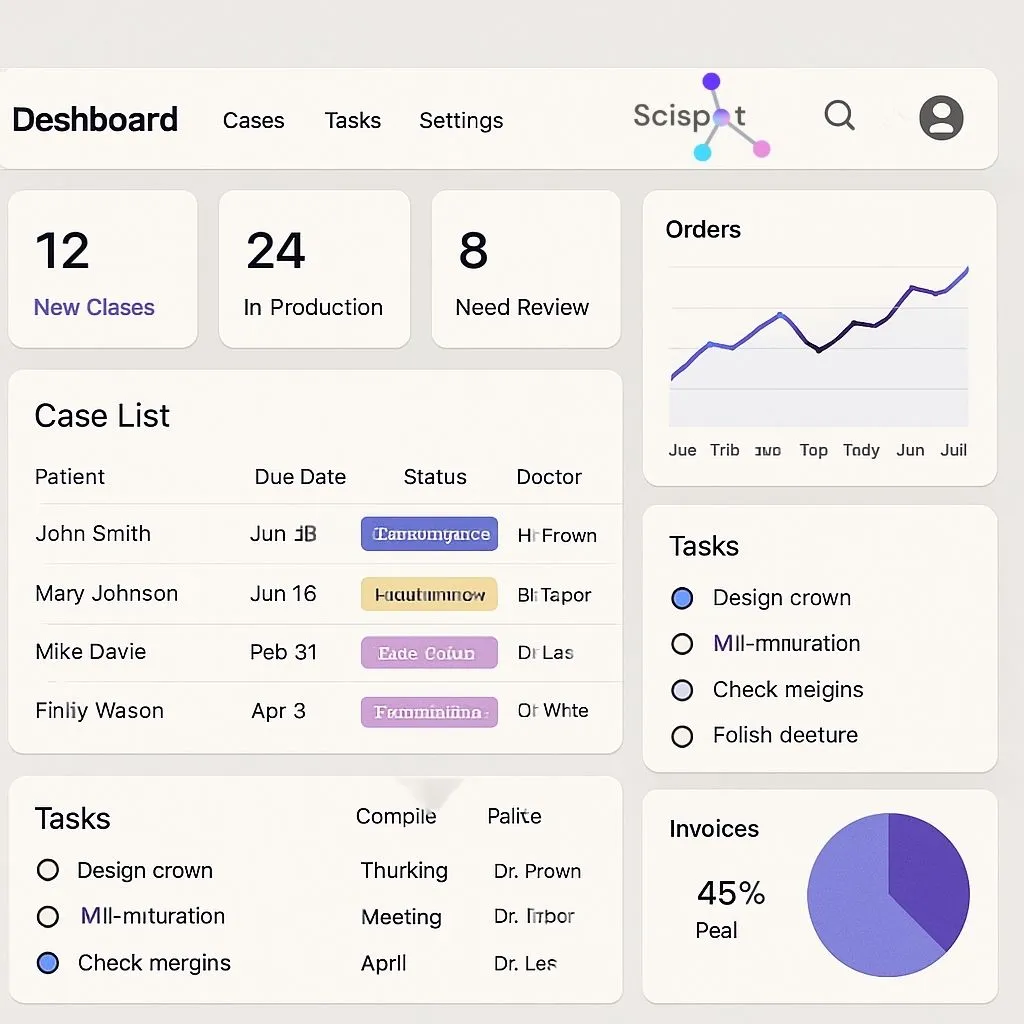
Dental lab management software becomes the backbone of a modern lab by connecting case intake, production steps, invoicing, inventory, and communication into one system. This reduces the friction caused by switching between spreadsheets, emails, and disconnected tools. When everything is connected, teams spend less time coordinating and more time producing.
Key Features of Dental Lab Management Software
Case Management: A strong case management system should allow your lab to track every case from prescription to delivery with clear status visibility. It should help teams understand what’s in progress, what’s blocked, and what’s at risk of delay. The best tools also reduce follow-ups by making responsibilities and timelines visible without needing constant manual check-ins.
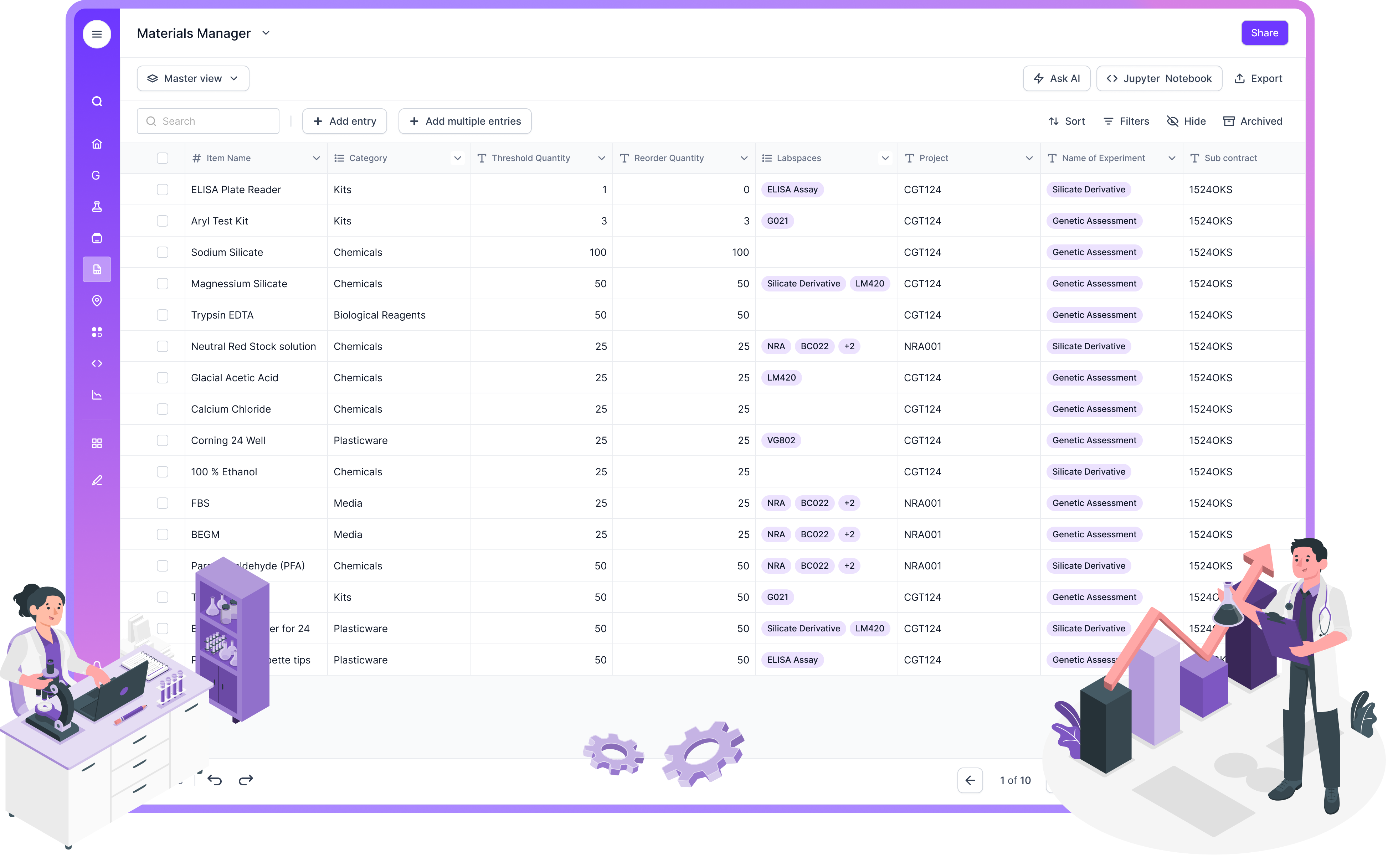
Inventory Management: Dental labs move fast, and inventory gaps often show up at the worst time. A reliable inventory module helps track stock levels, consumption trends, and reorder timing so production doesn’t stall unexpectedly. When inventory is managed properly, labs avoid last-minute substitutions, reduce waste, and keep workflows predictable even during peak volumes.
Billing and Invoicing: Billing is often where small delays create big ripple effects. Good software streamlines invoicing, reduces manual admin effort, and improves accuracy in charges. This helps labs stay on top of collections while keeping client relationships smoother, because fewer billing errors means fewer disputes and fewer interruptions.
Scheduling: Scheduling features help labs keep workloads balanced and deadlines under control. Instead of relying on informal coordination, software makes priorities clear and helps teams plan technician time more effectively. Strong scheduling reduces bottlenecks, improves delivery predictability, and makes it easier to handle urgent cases without disrupting everything else.
Reporting: Reporting is what helps a lab improve, not just operate. The best platforms turn daily activity into clear insights, such as turnaround time trends, remake frequency, workload distribution, and recurring production slowdowns. With better reporting, lab owners can make smarter decisions that increase efficiency and maintain quality as the business scales.
Top-Rated Dental Lab Management Software
1. Scispot (Best for modern labs that want to scale without chaos)
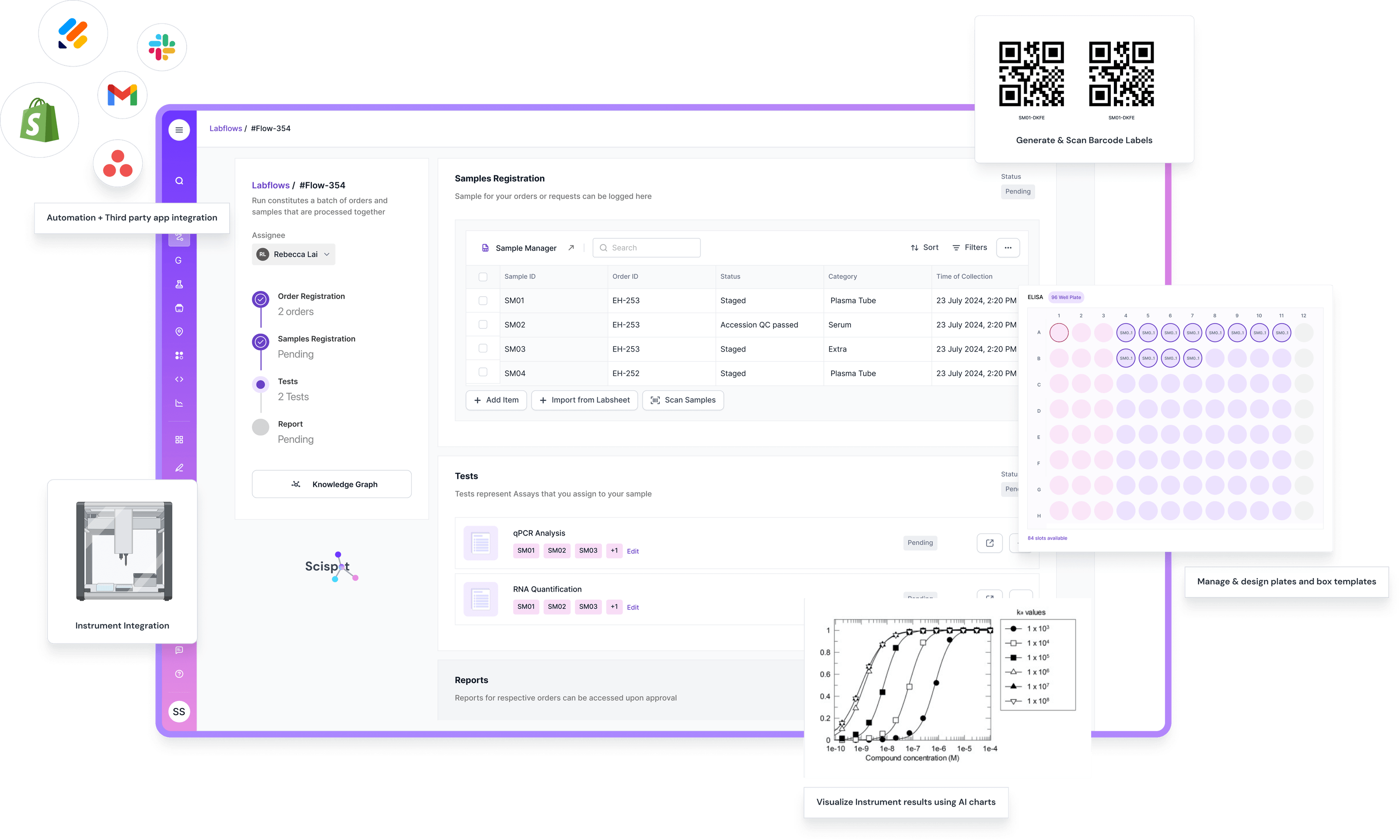
If your lab wants more than basic case tracking, Scispot stands out as the most modern and scalable option. It is built like a true LIMS-style platform, which makes it ideal for labs that want workflow control, operational visibility, and structured data across every step. Instead of locking you into rigid templates, Scispot adapts to how your lab actually operates, so processes stay consistent without feeling restrictive.
Scispot is especially powerful for labs that want structure with flexibility. You can model real processes such as case intake, technician handoffs, QC checkpoints, and delivery milestones in one connected system. This matters because dental labs rarely operate in a simple straight line. Cases branch, rework happens, priorities shift, and quality checks need to be tracked without losing context.
Many traditional dental lab tools work well for basic operational needs early on. But as labs grow, they often hit limits with customization, reporting depth, and advanced automation. Scispot solves this by keeping workflows connected and data standardized, so labs can build dashboards, reduce manual coordination, and scale confidently while maintaining accuracy and accountability.
2. Magic Touch Software
Magic Touch Software is a well-known platform in the dental lab industry and is often chosen for its broad coverage of day-to-day operations. It typically supports key workflows such as case entry, production tracking, invoicing, and reporting, making it a practical fit for labs that want a familiar solution with established adoption.
That said, many systems in this category are optimized for traditional lab management structures. They can work well when your workflow matches the system design closely, but can become less flexible when your lab needs deeper customization or wants to automate more complex processes. This is where labs may start looking for more configurable platforms as they scale.
3. LabStar
LabStar is a cloud-based tool that brings accessibility and remote visibility into dental lab operations. For labs that want their teams to access cases and updates from different locations or devices, cloud access can make daily work smoother and reduce dependence on local setups.
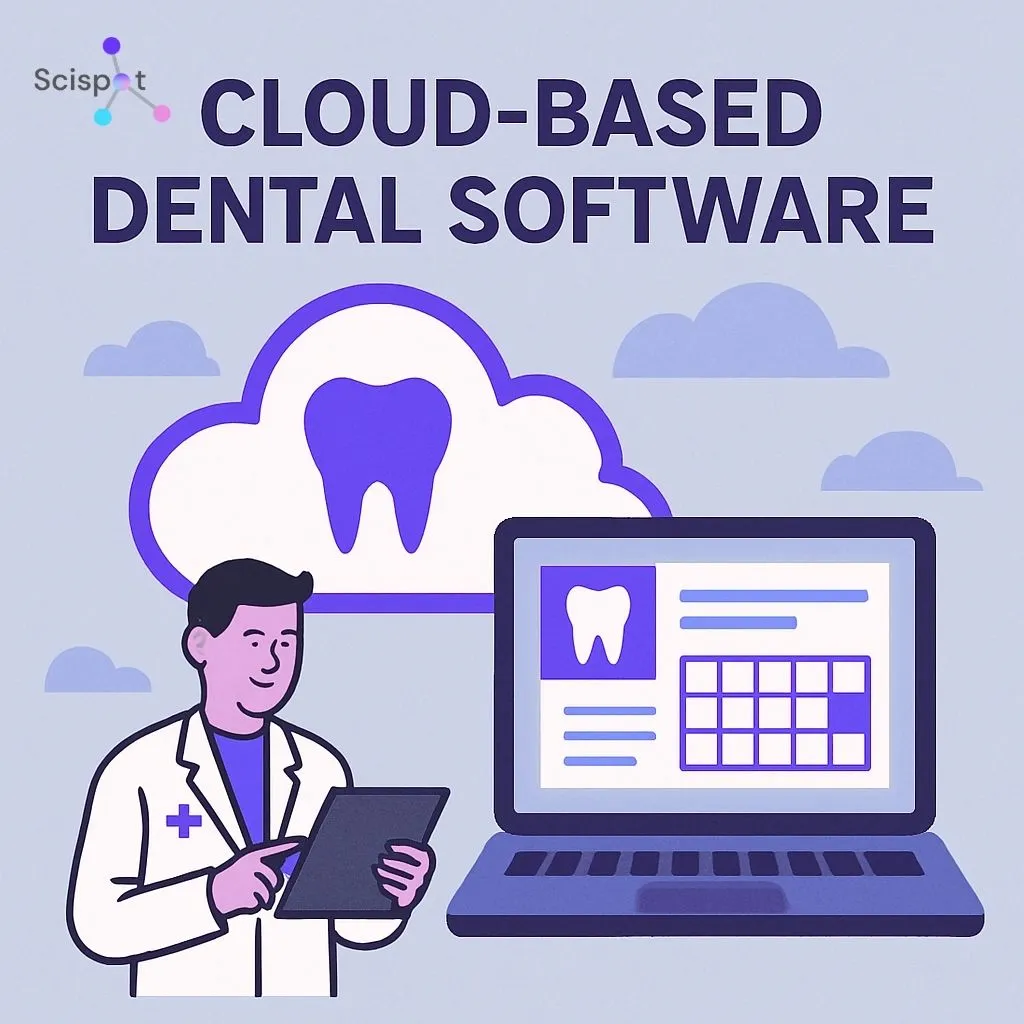
However, cloud-based access alone is not always enough for labs that need deeper workflow customization or more advanced operational reporting. Some cloud dental tools are primarily structured around basic case flow and administration. When labs need more complex QC tracking, structured data capture, or customizable workflows, they may need a platform that offers more control over how processes are built.
4. Evident
Evident is a popular choice for labs that want a complete platform for managing cases, production operations, and invoicing. It generally appeals to teams looking for an all-in-one dental lab suite that supports standard workflows and improves consistency in day-to-day execution.
Evident can be a solid fit for labs that want a platform built specifically around typical dental lab operations. But when labs start pushing into more advanced workflow logic, custom production steps, or deeper reporting demands, many teams find that they need more flexibility than standard dental lab platforms are built to support. In those scenarios, configurable systems like Scispot tend to provide a stronger long-term foundation.
5. DentaLab Pro
DentaLab Pro is often recognized for aligning closely with billing and accounting workflows, which can be valuable for labs where finance processes are central to operations. It can support core lab needs like case management, scheduling, invoicing, and reporting, especially for teams that want predictable structures around administrative execution.
As labs modernize, expectations around usability and scalability also increase. Some long-running systems can feel less modern in interface design or less adaptable when labs change how they run production. This is why many growing labs move toward systems that feel easier to update, easier to configure, and more aligned with evolving processes.
6. EasyRx
EasyRx stands out for improving communication between dental labs and dental practices. If a lab’s biggest pain point is prescription confusion, missing case details, or constant back-and-forth, EasyRx can reduce friction by keeping case communication clearer and more structured.
Communication-first tools are especially helpful in environments where coordination is the main bottleneck. But for labs that also need strong internal workflow control, inventory intelligence, QC tracking, and deeper analytics, communication alone may not solve operational complexity. In those cases, labs typically benefit from a broader operational platform that supports every internal step with full traceability.
Factors to Consider When Choosing Software

When selecting dental lab management software, budget matters, but total cost matters more. A tool that looks affordable can still become expensive if it creates workarounds, manual tracking, and repeated inefficiencies. The best software reduces friction every day, and those time savings often outweigh the initial price.
Ease of use is equally important because dental labs don’t have time for long onboarding cycles. A system should feel intuitive for technicians and admin teams alike. The goal is not to “train people to use software.” The goal is to make the workflow feel simpler and more predictable.
Scalability matters the moment your lab grows, adds clients, or increases case volume. Some tools work fine at smaller scale but become difficult when multiple teams and workflows need structure. Strong customer support also becomes critical because when your platform drives daily production, slow support can slow delivery. Finally, integration is a major factor because labs run on multiple tools, and software works best when it connects cleanly with how your lab already operates.
Benefits of Implementing Dental Lab Management Software
Dental lab management software improves efficiency by removing repetitive manual work and reducing unnecessary coordination. When cases move through a structured workflow, teams spend less time chasing updates and more time completing work. That faster flow often leads to better turnaround times and happier clients.
Accuracy improves because structured systems reduce manual entry and keep case information connected through every step. This helps reduce mistakes that lead to remakes, delays, or missed quality checks. Communication also improves because case expectations, timelines, and updates become visible in one place, which reduces confusion between the lab and the practice.
Over time, labs see cost savings from fewer remakes, improved utilization of materials, and stronger operational planning. The software pays off not just by saving time, but by reducing the hidden costs that come from inefficiency and preventable errors.
.gif)
Conclusion
With the right dental lab management software, your lab can streamline operations, improve accuracy, and deliver better service to the practices you support. Options like Magic Touch, LabStar, Evident, DentaLab Pro, and EasyRx each offer value depending on what your lab needs most, whether that’s billing strength, cloud access, workflow structure, or communication clarity.
But if your lab is looking for the most modern, scalable foundation—where workflows stay connected, data stays structured, and performance becomes measurable—Scispot is the strongest long-term option. It gives you the flexibility of a true LIMS-style system while still being intuitive enough for day-to-day lab execution. With careful implementation, it becomes more than a management tool. It becomes the operational advantage that helps your lab grow with confidence.