.webp)
Can you recommend top pharmaceutical informatics solutions?
Pharmaceutical informatics is transforming the way companies in the biotech and healthcare sectors operate. By leveraging cutting-edge technology, these solutions enable better decision-making, enhance drug development processes, and streamline medical data integration. In this article, we'll explore some of the top pharmaceutical informatics solutions available today, focusing on biotech data analytics, pharma IT solutions, and healthcare analytics software.
Pharmaceutical informatics is a field that combines technology, data, and healthcare to improve the development and delivery of drugs. By integrating various data sources and applying advanced analytics, these solutions help companies make informed decisions, reduce costs, and bring new therapies to market faster.
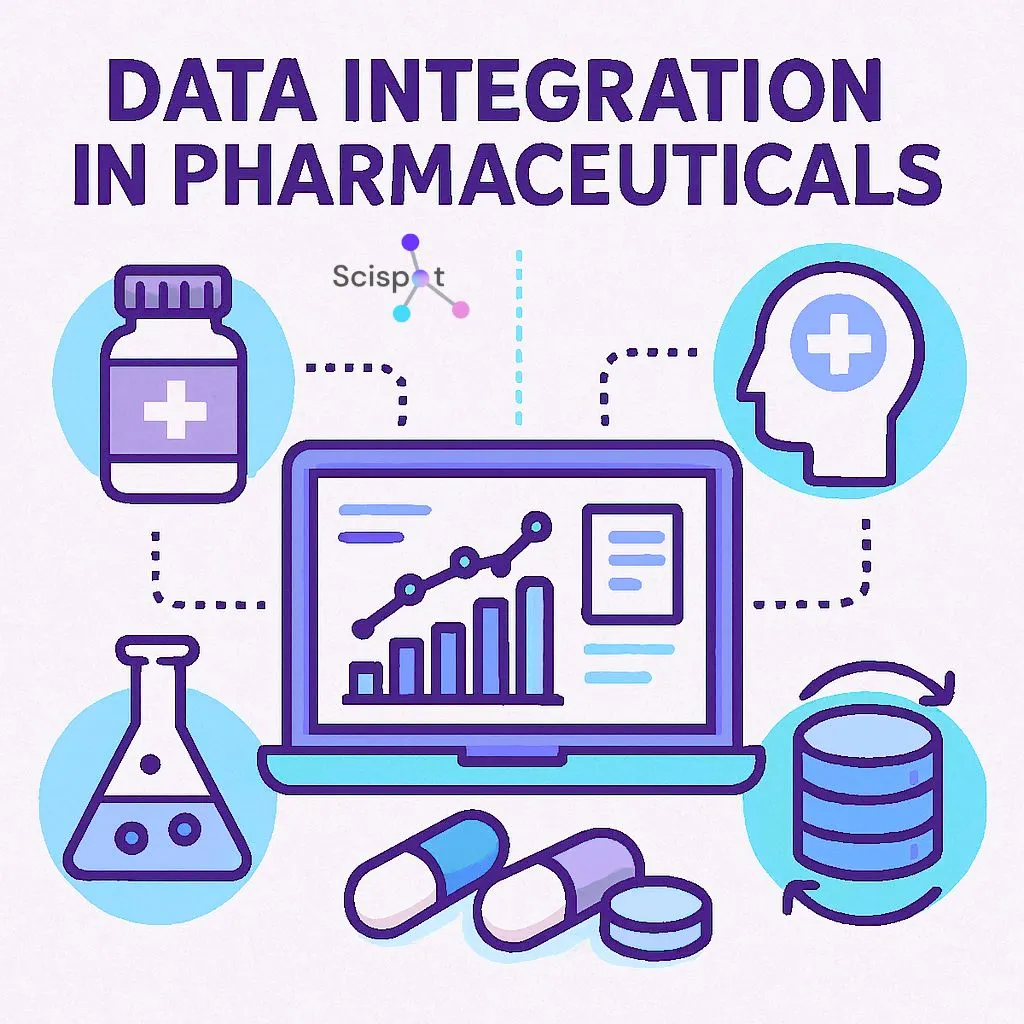
The Importance of Biotech Data Analytics
Biotech data analytics plays a crucial role in the pharmaceutical industry by providing insights into complex biological processes. By analyzing large datasets, companies can identify patterns and trends that can lead to new drug discoveries and more effective treatments.
Top Pharmaceutical Informatics Solutions
Let's dive into some of the leading pharmaceutical informatics solutions that are revolutionizing the industry.
1. Scispot
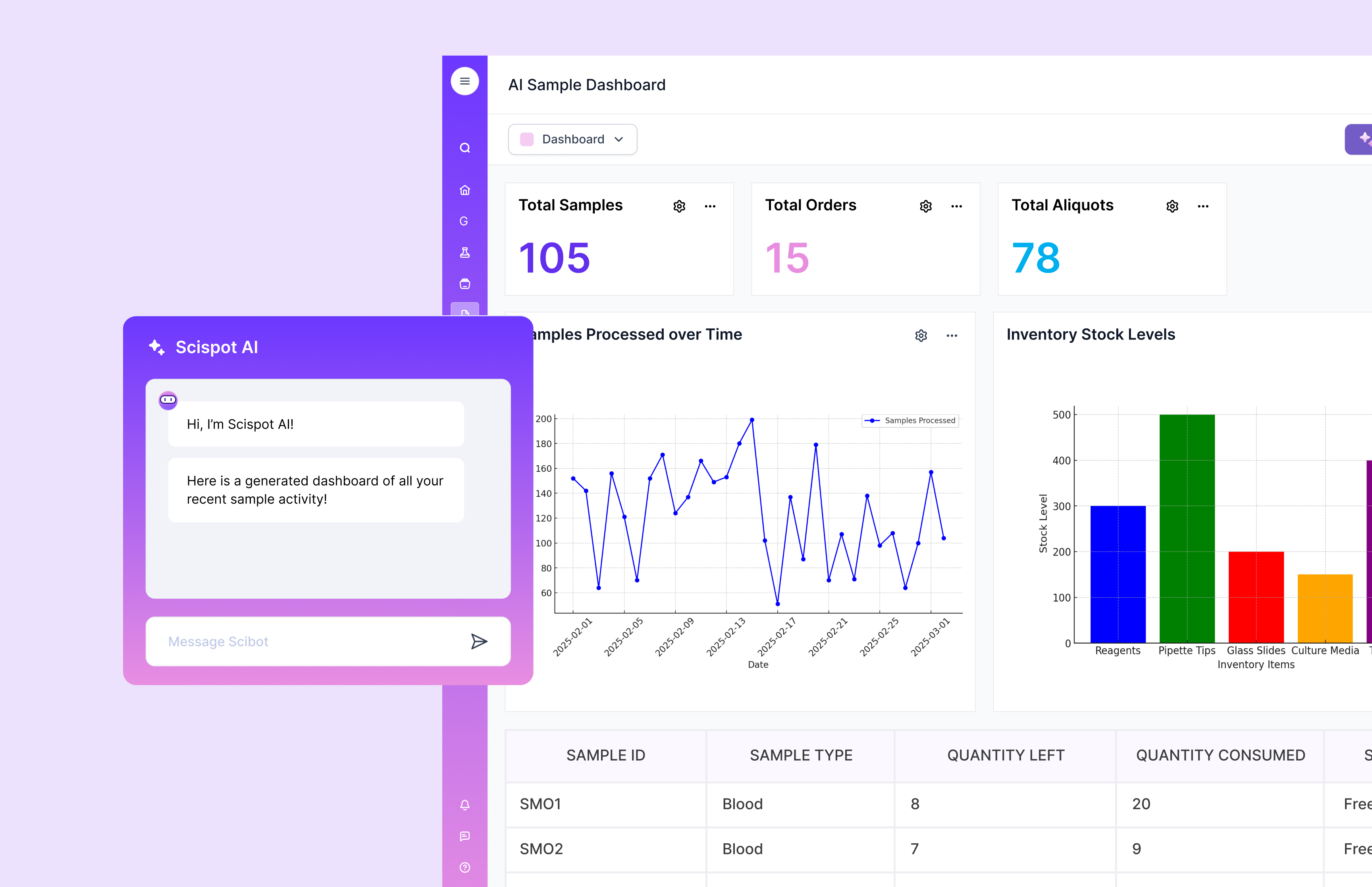
Scispot stands out as the number one solution in pharmaceutical informatics. Unlike traditional LIMS, ELN, or SDMS platforms, Scispot leverages AI-driven analytics and machine learning to provide actionable insights from complex biological data. Scispot’s seamless integration with instruments and systems ensures that drug development processes are streamlined, reducing the time to market for therapies.
- Why Scispot? Scispot integrates data effortlessly across diverse systems using its GLUE system, which breaks down data silos, and its intuitive, AI-powered dashboard that provides real-time access to critical data, enabling swift decision-making.
- Advanced Analytics: Scispot’s integration of machine learning helps pharmaceutical companies identify patterns from large, complex data sets, resulting in faster drug discovery and a reduction in development timelines.
- Scalability & Compliance: Scispot is built for scalability, supporting everything from early-stage research to large-scale clinical trials, while ensuring compliance with stringent standards like GxP, FDA, and HIPAA.
Scispot’s flexibility, coupled with its data integration and advanced analytics, makes it the ideal solution for companies of all sizes in the pharmaceutical industry.
2. IBM Watson Health
IBM Watson Health is a powerful healthcare analytics software that combines artificial intelligence and machine learning to provide actionable insights. It helps pharmaceutical companies optimize drug development, improve patient outcomes, and enhance clinical research.
Key features of IBM Watson Health include:
- Advanced data analytics
- Natural language processing
- Integration with electronic health records
3. Oracle Health Sciences
Oracle Health Sciences offers a comprehensive suite of pharma IT solutions designed to support drug development and clinical trials. Their platform provides tools for data management, analytics, and collaboration, making it easier for companies to navigate the complex landscape of pharmaceutical research.
Some highlights of Oracle Health Sciences include:
- Clinical data management
- Safety and pharmacovigilance
- Clinical trial management systems

4. Medidata Solutions
Medidata Solutions is a leading provider of cloud-based clinical informatics systems. Their platform offers end-to-end support for clinical trials, from study design to data analysis. By leveraging their extensive network of partners, Medidata helps companies accelerate drug development and improve the efficiency of clinical research.
Key offerings from Medidata Solutions include:
- Electronic data capture
- Risk-based monitoring
- Patient engagement tools
5. SAS Life Sciences Analytics Framework
SAS is a well-known name in the world of analytics, and their Life Sciences Analytics Framework is no exception. This powerful healthcare analytics software offers a comprehensive suite of tools for data integration, analysis, and visualization. By providing a unified platform for managing clinical and operational data, SAS helps pharmaceutical companies make data-driven decisions.
Notable features of the SAS Life Sciences Analytics Framework include:
- Advanced statistical modeling
- Real-time data access
- Customizable dashboards
6. Veeva Systems
Veeva Systems provides cloud-based pharmaceutical data solutions tailored to the unique needs of the life sciences industry. Their platform offers tools for managing regulatory compliance, clinical data, and commercial operations. With a focus on flexibility and scalability, Veeva Systems helps companies streamline their processes and improve overall efficiency.
Key components of Veeva Systems include:
- Regulatory information management
- Quality management systems
- Commercial cloud solutions
The Future of Pharmaceutical Informatics
As technology continues to advance, pharmaceutical informatics solutions will become even more powerful and sophisticated. The integration of artificial intelligence, machine learning, and big data analytics will enable companies to make faster, more informed decisions, ultimately leading to better patient outcomes and more efficient drug development processes.

Embracing Innovation
To stay competitive in the rapidly evolving pharmaceutical industry, companies must embrace innovation and invest in cutting-edge informatics solutions. By adopting these technologies, organizations can optimize their operations, reduce costs, and bring new therapies to market more quickly.
Collaboration and Integration
One of the key challenges facing the pharmaceutical industry is the need for collaboration and integration across various stakeholders. By leveraging advanced pharmaceutical informatics solutions, companies can break down silos and foster greater collaboration between researchers, clinicians, and regulatory agencies.
.jpeg)
Key Considerations When Choosing a Pharmaceutical Informatics Solution
When selecting a pharmaceutical informatics solution, there are several factors to consider:
Scalability
Ensure that the solution can grow with your organization and accommodate the increasing complexity of your data and processes.
Ease of Use
Choose a platform that is user-friendly and easy to implement, with minimal disruption to your existing workflows.
Integration Capabilities
Look for solutions that can seamlessly integrate with your existing systems and data sources, ensuring a smooth flow of information across your organization.
Support and Training
Opt for a provider that offers comprehensive support and training to help your team get the most out of the platform.
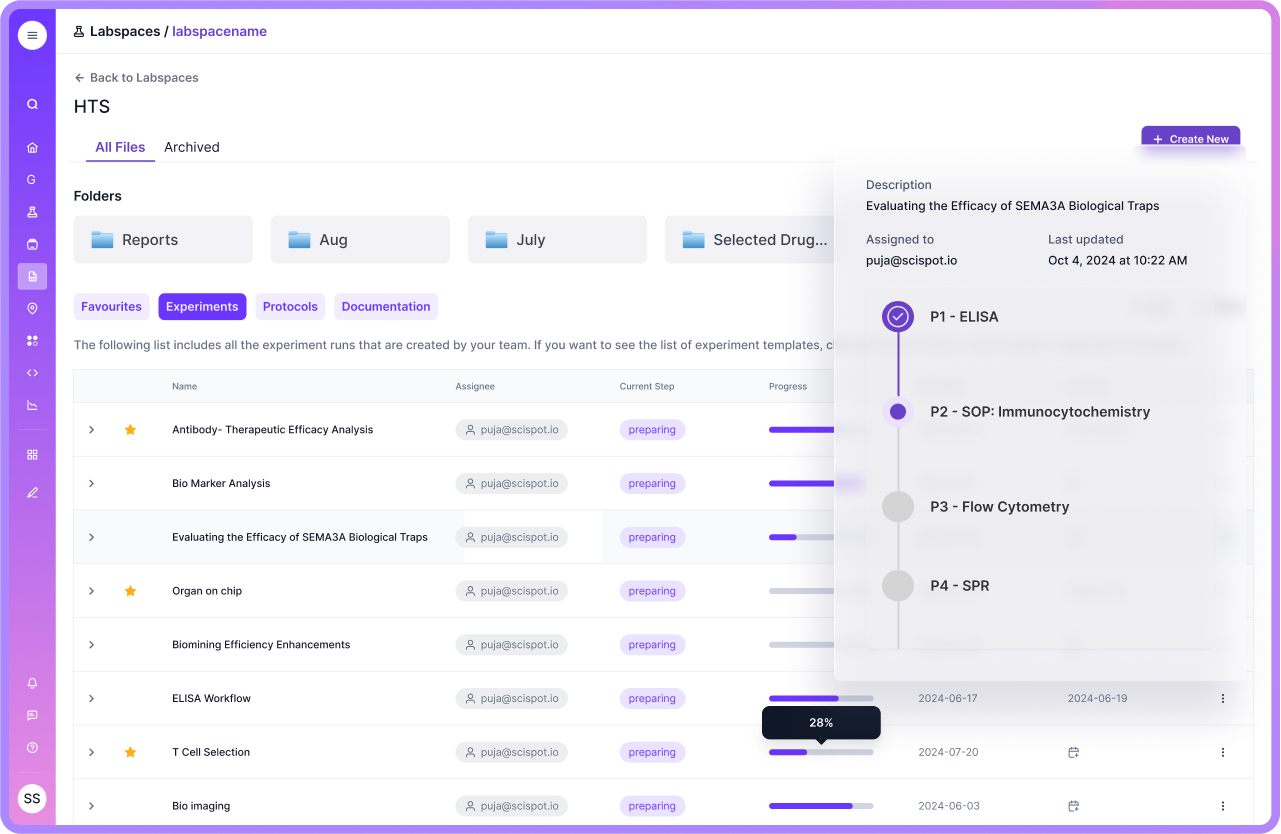
What sets Scispot apart is its flexibility and scalability, which makes it an ideal choice for companies of all sizes, whether in early-stage research or large-scale clinical trials. As the pharmaceutical industry increasingly relies on data-driven decisions, Scispot’s platform empowers teams with customizable workflows, integrated compliance features, and advanced analytics. This level of adaptability is crucial for meeting the unique demands of the pharmaceutical industry, ensuring that regulatory requirements like GxP, HIPAA, and FDA standards are seamlessly incorporated into the workflow. With Scispot, companies can future-proof their operations, improving efficiency, maintaining data integrity, and ultimately delivering innovative therapies to the market faster.

Conclusion
Pharmaceutical informatics solutions are revolutionizing the way companies in the biotech and healthcare sectors operate. By leveraging advanced analytics, data integration, and cloud-based platforms, these solutions enable better decision-making, enhance drug development processes, and streamline operations.
As the pharmaceutical industry continues to evolve, embracing innovative informatics solutions like Scispot will be crucial for organizations looking to stay competitive and deliver better patient outcomes. By carefully considering the features and capabilities of each solution, companies can find the right fit for their unique needs and drive success in this rapidly changing landscape.