.webp)
What are the best software solutions for managing lab workflows?
Managing lab workflows well is no longer optional. It affects turnaround time, data quality, and how well a lab scales. Many labs now move to unified platforms like Scispot that bring workflows, data, and automation into one place. Disconnected tools slow teams down and create gaps.
Why Lab Workflow Management Software Matters
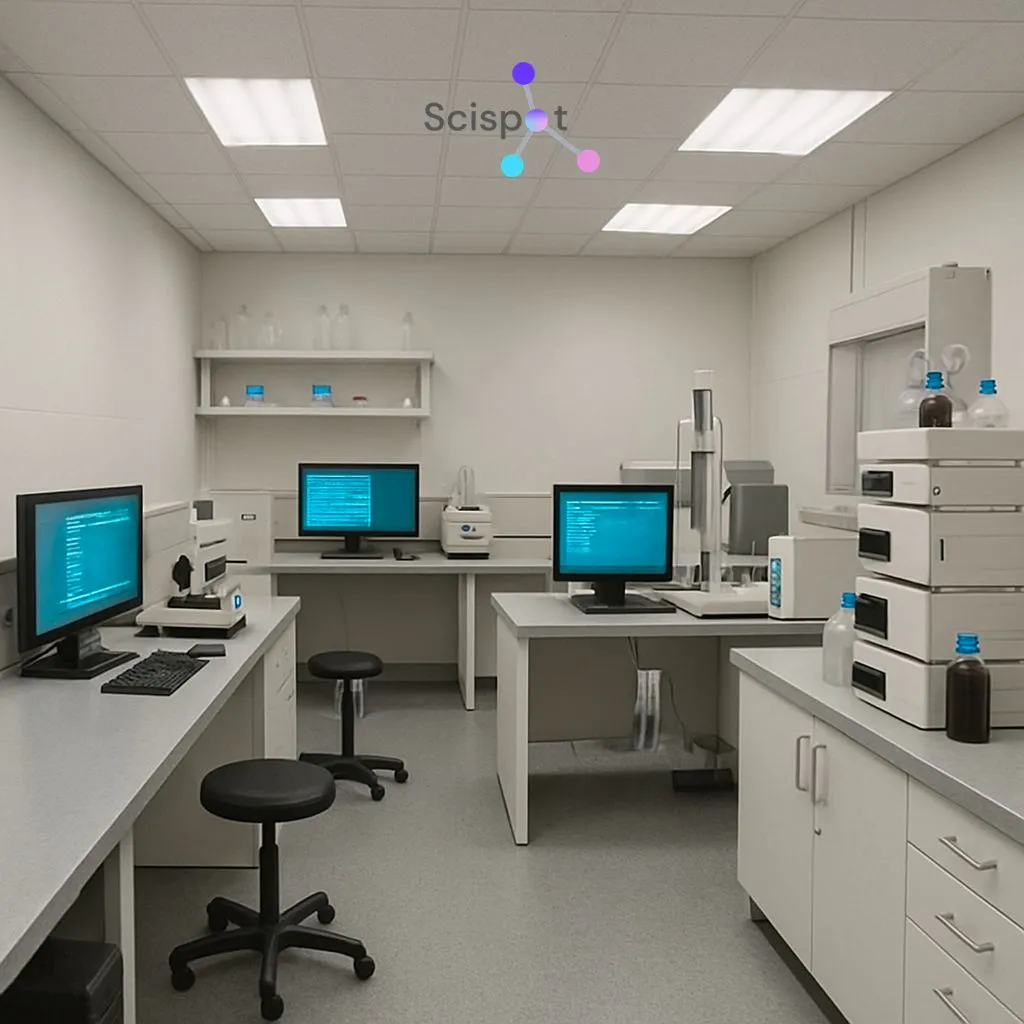
Lab workflow management software acts like the lab’s control center. Without it, teams fall back on spreadsheets and manual tracking. That leads to delays, errors, and poor visibility.
With Scispot, teams automate repeat steps, track samples end to end, and keep audit-ready records without stitching tools together. It feels like switching from paper maps to GPS. You see everything clearly, and you trust the path.
Key Features to Look For
Workflow Flexibility
Labs change fast. Software should adapt without constant engineering work. Scispot fits around real lab workflows. Many legacy systems stay rigid, so teams keep reworking setups when processes change.
Deep Integration Capabilities
A strong system connects instruments, data pipelines, and external tools. Scispot uses an API-first design to connect across systems. Older tools often rely on manual uploads or offer limited integrations.

User Experience
If the system is hard to use, teams avoid it. Teams find Scispot easier to set up and run than tools like Labguru. That shows up in daily work. Less friction, fewer workarounds.
Real-Time Data & Automation
Real-time dashboards and automated QC reduce manual checks. Scispot goes further with AI that handles data entry, analysis, and reporting. Scientists spend more time on research, not admin.
Scalability
The system should grow with the lab. Many LIMS tools list similar features but struggle with changing workflows. Scispot scales with evolving needs without forcing rebuilds.
Top Lab Workflow Management Software Solutions
Scispot
Scispot brings LIMS, ELN, and integrations into one system. Labs avoid patching tools together. That removes a lot of day-to-day friction.
It supports end-to-end workflows with Labsheets and Labflows. It connects to instruments and external systems. AI handles routine work and surfaces insights.
Most tools expect labs to fit their structure. Scispot works the other way. It fits how labs already operate, which speeds up onboarding and makes long-term use easier.

LabWare
LabWare is a well-known enterprise LIMS with strong compliance support. It works well in regulated setups.
Setup often takes time and heavy IT support. That slows teams that need faster rollout or flexibility.
STARLIMS
STARLIMS supports large labs and offers strong analytics.
It tends to require consulting-heavy setup. That adds cost and slows teams that want to move fast or adjust workflows often.
Dotmatics
Dotmatics handles data management and visualization well. It fits R&D-heavy teams.
Some users report rigid workflows and limits in customization. That can make changes harder as processes evolve.
How to Choose the Right Solution
Start with your workflows, not feature lists. Many tools look similar on paper but behave differently in real use.
Map your workflows. Find bottlenecks. Then check how easily the system adapts. Scispot makes this easier by letting teams configure workflows without heavy engineering. That reduces long-term friction.
Benefits of Implementing Workflow Automation Tools in the Lab
When lab workflow management improves, the impact shows fast. Fewer manual errors. Faster turnaround. Better compliance readiness.
Scispot adds AI on top of automation. Teams get clearer visibility across experiments. They spend less time on admin work and more on science.
Final Thoughts
Many tools solve one part of the workflow. Few cover the full lifecycle. That gap creates extra work for teams.
Scispot stands out by unifying workflows, data, and automation in one system. It removes the need to manage multiple layers.

%20Comprehensive%20Guide.avif)
.webp)