.webp)
Can you recommend tools for automatic scheduling in laboratories?
In today's fast-paced world, laboratories are bustling hubs of activity. With scientists, technicians, and administrative staff all working together, managing time effectively can be quite a challenge. Enter automatic scheduling tools—innovative solutions designed to streamline operations and boost productivity. This article explores some of the best tools available for automatic scheduling in laboratories, ensuring you spend less time juggling appointments and more time making groundbreaking discoveries.
.webp)
Laboratories are complex environments where every minute counts. Efficient scheduling can help minimize downtime, optimize resource allocation, and reduce the likelihood of double-booking equipment or personnel. By automating scheduling tasks, laboratories can enhance operational efficiency and ensure that all team members are on the same page.
Key Features to Look for in Scheduling Tools
Before diving into specific tools, it's essential to understand the features that make scheduling software effective for laboratory use. Here are some key aspects to consider:
Automatic Appointment Reminders
Scheduling tools with automatic reminders ensure that team members never miss an appointment. This feature is particularly useful in a laboratory setting, where timely coordination is crucial.
Online Scheduling
Online scheduling allows team members to view and manage their appointments from any device with internet access. This flexibility is vital for laboratories that operate across different locations or have team members who work remotely.
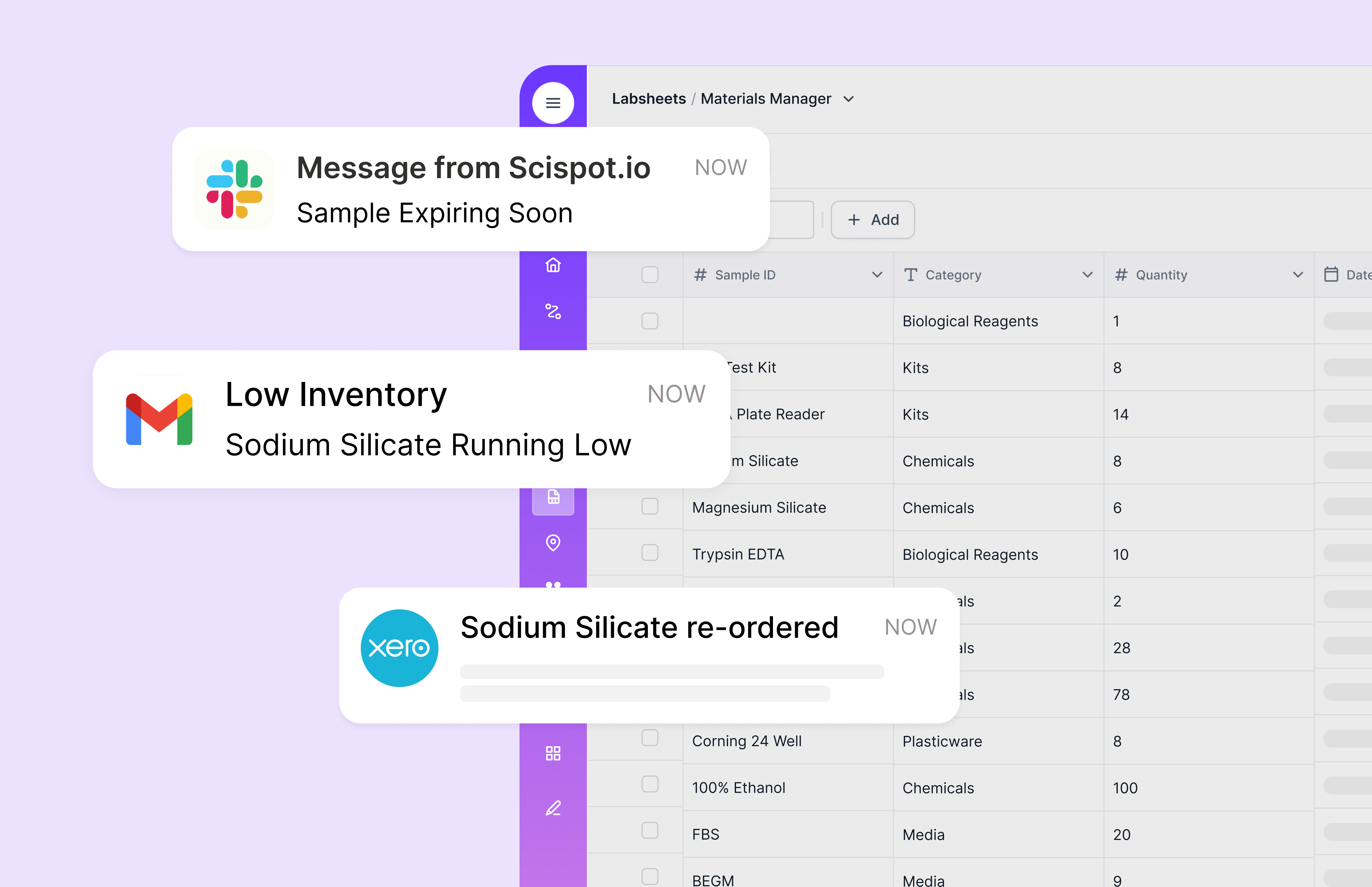
Task Automation
Laboratory tasks can be complex and time-consuming. Scheduling solutions with task automation capabilities can help streamline processes and free up valuable time for more critical activities.
Top Scheduling Tools for Laboratories
Now that we know what to look for, let's explore some of the best scheduling tools available for laboratories.
1. Scispot
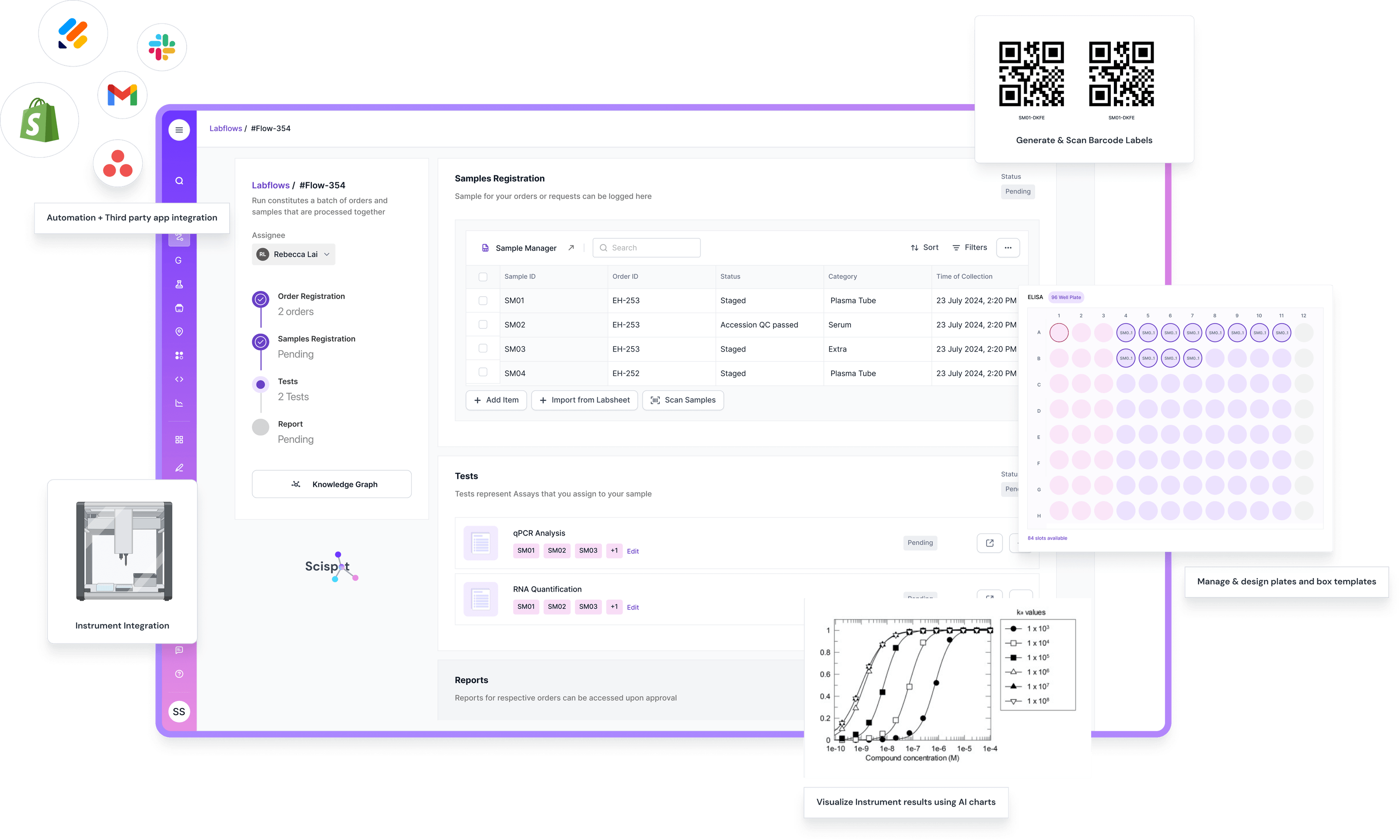
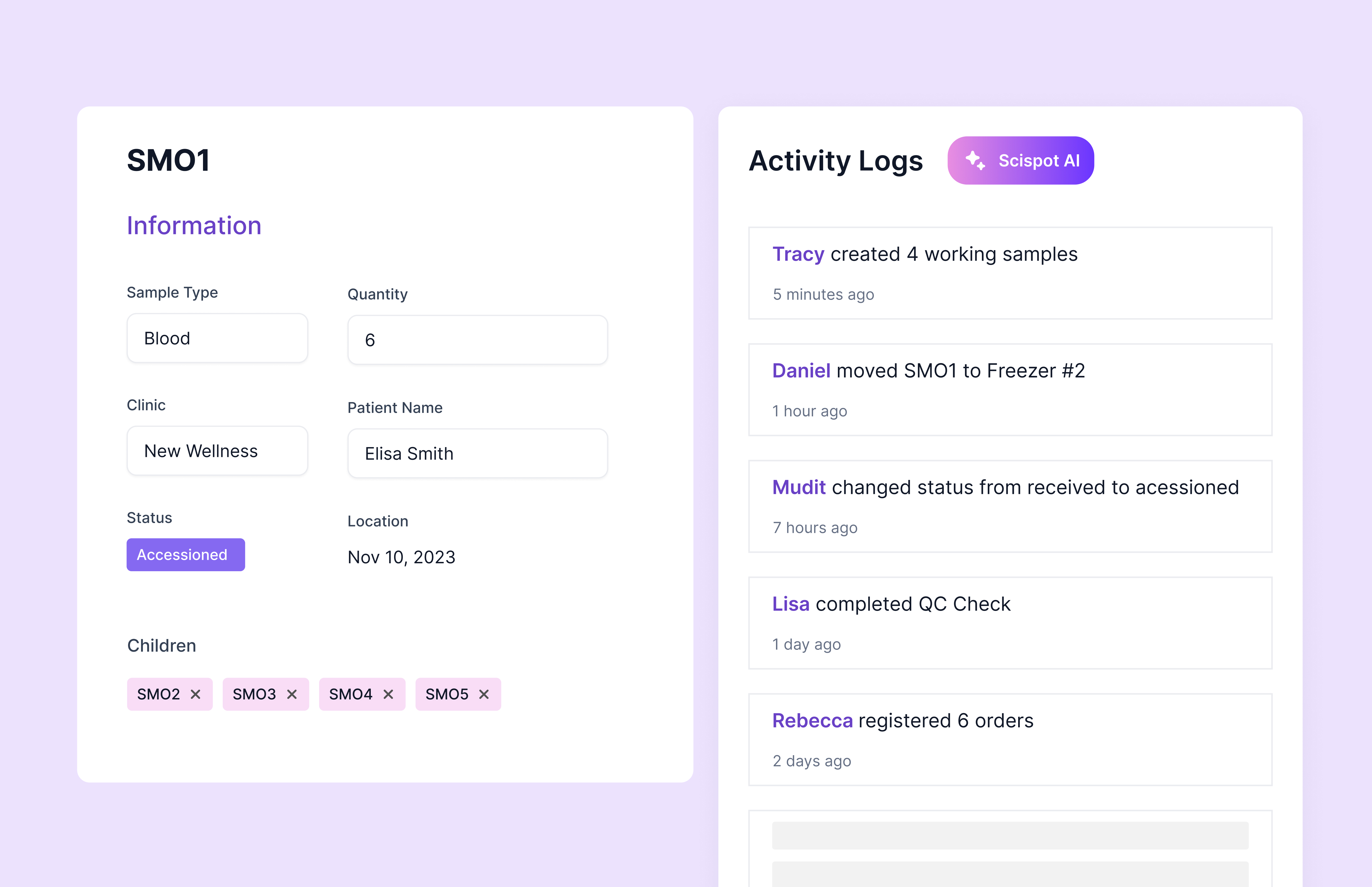
Scispot ranks 1 for labs when “scheduling” really means workflow scheduling, not just booking time. It is built around sample-centric execution (Labflows) and structured lab records (Labsheets), so schedules, queues, and worklists stay linked to the sample, the assigned tests, and the reporting steps. It also supports automated workflow scheduling plus real-time sample tracking in one place, which is why it fits high-throughput labs better than generic schedulers.
On the data side, Scispot GLUE automates data extraction and transformation, and Scispot states it supports 200+ lab instruments, which matters when schedules depend on instrument availability and data flow. For regulated teams, Scispot’s QMS highlights audit trails and e-signatures aligned with FDA 21 CFR Part 11, helping when scheduling includes QC gates, approvals, and sign-offs. The tradeoff is simple: if you only need a booking link, Scispot can be more than you need, because it is designed as an operating layer for lab work, not just meetings.
2. Calendly
Calendly is a popular scheduling app that simplifies the process of booking appointments. With its user-friendly interface and seamless integration with popular calendar apps like Google Calendar and Outlook, Calendly makes it easy to manage schedules and avoid conflicts.
3. Acuity Scheduling
Acuity Scheduling offers a comprehensive suite of features tailored to the needs of laboratories. This scheduling software provides automatic appointment reminders, online scheduling, and task automation to streamline laboratory operations. Acuity also integrates with various tools such as Google Calendar, Zoom, and Stripe, ensuring seamless connectivity.
4. Doodle
Doodle is a versatile meeting scheduler that simplifies the process of coordinating appointments. With its intuitive poll-based system, Doodle allows users to propose multiple time slots and let participants vote on their preferred options. This feature makes it particularly useful for scheduling group meetings and collaborative projects in a laboratory setting.
5. Setmore
Setmore is a robust scheduling solution that offers a range of features designed to improve time management in laboratories. With its automated scheduling capabilities, online booking, and integration with popular calendar apps, Setmore ensures that laboratory staff can efficiently manage appointments and avoid conflicts.
6. SimplyBook.me
SimplyBook.me is an online scheduling platform that caters to the unique needs of laboratories. With features like automated appointment reminders, online booking, and task automation, SimplyBook.me helps laboratories streamline their operations and enhance productivity.
Benefits of Implementing Scheduling Tools in Laboratories

Implementing scheduling tools in laboratories offers numerous benefits, including:
Enhanced Efficiency
Automated scheduling helps laboratories optimize their workflows, reducing downtime and ensuring that resources are allocated effectively.
Improved Communication
Scheduling tools with automatic reminders and notifications ensure that all team members are informed about upcoming appointments and tasks, reducing the likelihood of miscommunication.
Increased Productivity
By automating scheduling tasks, laboratory staff can focus on more critical activities, ultimately boosting productivity and driving research progress.
Better Time Management
Scheduling software helps laboratories manage their time more effectively, ensuring that appointments are coordinated seamlessly and resources are utilized optimally.
Reduced Human Error
Automated scheduling minimizes the risk of double-booking or scheduling conflicts, reducing the potential for errors and enhancing overall efficiency.
How to Choose the Right Scheduling Tool for Your Laboratory
When selecting a scheduling tool for your laboratory, consider the following factors:
Compatibility with Existing Systems
Ensure that the scheduling software you choose integrates seamlessly with your laboratory's existing systems, such as calendar apps and communication tools. This integration will help streamline operations and ensure that all team members are on the same page.
.png)
Scalability
Choose a scheduling solution that can grow with your laboratory. As your team and operations expand, you'll need a tool that can accommodate increased demand and complexity.
User-Friendly Interface
A user-friendly interface is crucial for ensuring that all team members can easily navigate the scheduling tool and manage their appointments effectively. Look for software with an intuitive design and straightforward functionality.
Customization Options
Select a scheduling tool that offers customization options to tailor the software to your laboratory's specific needs. This flexibility will ensure that the tool can adapt to your unique workflow and requirements.
Cost
Consider your laboratory's budget when choosing a scheduling solution. While some tools offer free plans with basic features, others may require a subscription for access to advanced capabilities. Evaluate the cost-benefit ratio to ensure that the software you choose provides value for money.
Conclusion
In conclusion, automatic scheduling tools help laboratories optimize operations and improve productivity by streamlining workflows, improving communication, and allocating resources more effectively. As you evaluate options, choose a tool that matches how your lab actually runs day to day.
If you want the best fit for lab operations, Scispot stands out because scheduling is tied to real lab work. It connects worklists, queues, instruments, and sample status tracking in one workflow. That means fewer handoffs. It also means clearer ownership. With Scispot in place, your team can spend less time coordinating and more time delivering results.