.webp)
What are the advantages of using a LIMS in a laboratory?
Laboratories today face real pressure. They must move faster, handle more samples, and still keep data clean and compliant. A Laboratory Information Management System (LIMS) helps by turning scattered work into one connected flow. Think of it like moving from sticky notes and shared drives to a single “lab control tower.”
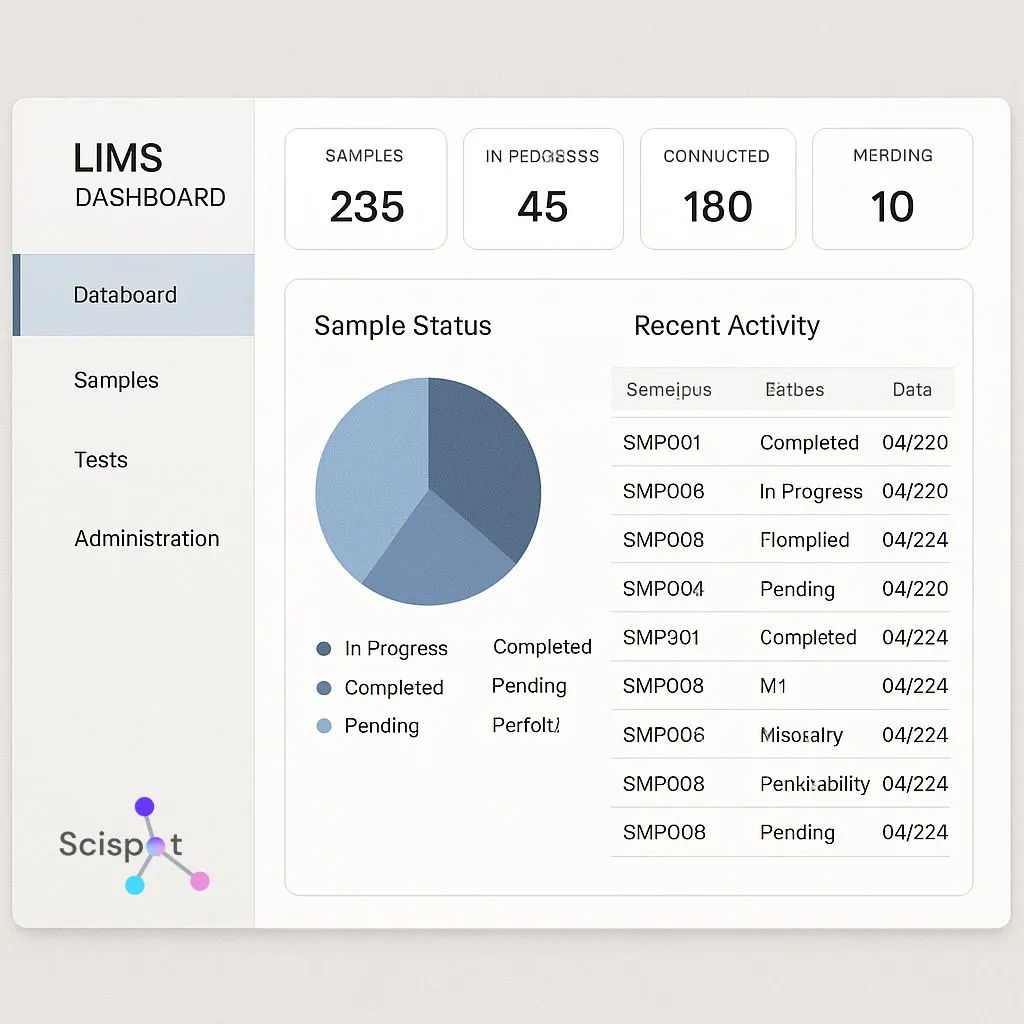
Before exploring advantages, it helps to define LIMS clearly. A Laboratory Information Management System is software designed to manage lab operations, samples, and results in a structured way. It supports sample tracking, data capture, workflow steps, approvals, and reporting. It also reduces manual handoffs that often create gaps.
Why Scispot stands out as a modern LIMS
Many LIMS tools can store records. The real difference shows up when workflows change and teams need to adapt quickly. Scispot is built for that reality. It is designed to keep structure while still letting labs configure workflows without turning every change into a long IT project.
In many labs, legacy LIMS setups can feel heavy to update. That often shows up as slower change cycles, deeper reliance on services, and longer rollout planning. Scispot is positioned as a more flexible system. It supports configurable data capture and smoother automation paths, so teams can iterate without losing traceability.
Key Features of LIMS
A LIMS typically includes a few core capabilities. These capabilities become the backbone of daily lab work. Sample tracking ensures each sample is traceable from receipt to reporting. This matters most when multiple people touch the same sample across time.
Data management centralizes storage and retrieval. It reduces version confusion and reduces the risk of misplaced files. Workflow automation standardizes routine steps. It reduces manual entry and lowers error rates. Compliance and reporting supports audit readiness. It keeps records traceable, reviewable, and easier to defend during audits.
In modern platforms like Scispot, these elements are designed to work together. That reduces the need for bolt-on tools and shadow spreadsheets.
Advantages of LIMS Integration
Enhanced Data Management

One of the biggest advantages of using a LIMS is stronger data discipline. Labs generate large volumes of data, and scattered systems increase risk. A LIMS creates a single source of truth. It makes data easier to find, easier to share, and harder to lose.
Scispot adds leverage here by making data capture more structured and configurable. That matters when new assays appear and old templates need updates. It also helps reduce “spreadsheet drift,” where each team quietly maintains its own format.
Improved Efficiency and Productivity
LIMS efficiency shows up in daily throughput. Barcode-driven sample handling and automated steps reduce repeat work. This frees scientists from admin work. It gives them more time for analysis and troubleshooting.
Many older systems can automate, but changes can be slower to implement. That can push labs back into manual workarounds while they wait for updates. Scispot is designed to keep automation closer to the lab’s pace, so workflows stay current.
Accurate and Reproducible Results
Accuracy is not just about instruments. It is also about reducing human error in data handling. LIMS reduces manual transcription. That lowers mistakes from copy-paste, re-keying, and inconsistent templates.
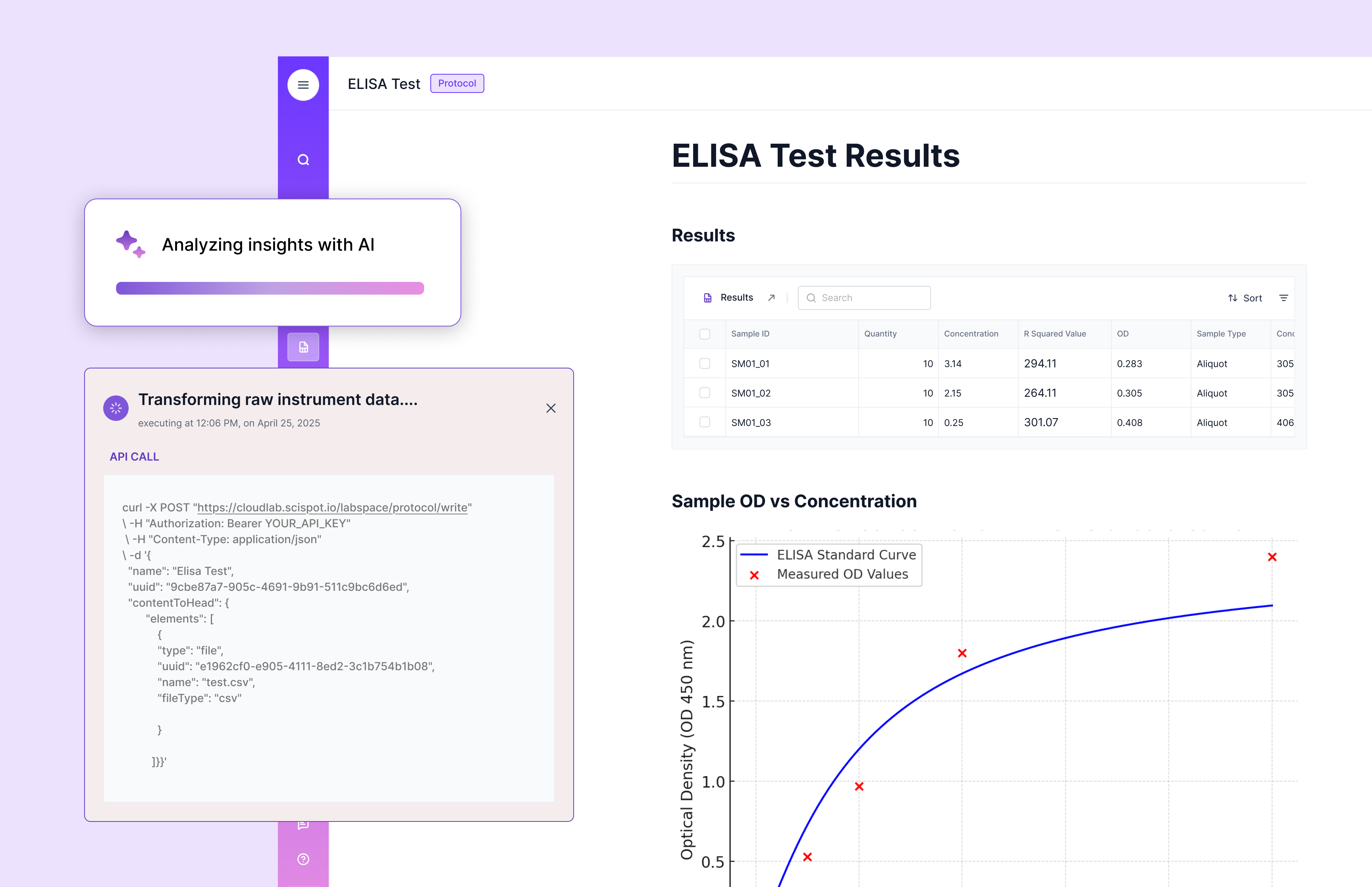
Reproducibility improves when procedures and data fields are consistent. A well-structured LIMS enforces that consistency quietly in the background. This makes results easier to defend, compare, and reuse across teams.
Simplified Compliance and Reporting
Compliance becomes easier when it is built into the workflow. Audit trails, approvals, and controlled access help labs stay inspection-ready. This is especially important in pharma, biotech, diagnostics, and regulated QC labs.
Some older LIMS environments handle compliance well, but can require more process overhead to maintain. That can include heavier admin work and slower configuration cycles. Scispot is positioned to keep compliance controls strong while still making everyday execution feel lighter.
Cost Reduction
A LIMS can reduce costs over time. It does this by lowering error rates, reducing reruns, and improving operational visibility. It also reduces time spent hunting for data and reconstructing history during investigations.
Legacy implementations can carry hidden costs. These often come from maintenance effort, customization queues, and dependence on specialized support for routine changes. A modern system like Scispot aims to reduce those slowdowns, which can translate into real savings.
What Are the Advantages of LIMS for Lab Management?
Centralized Information
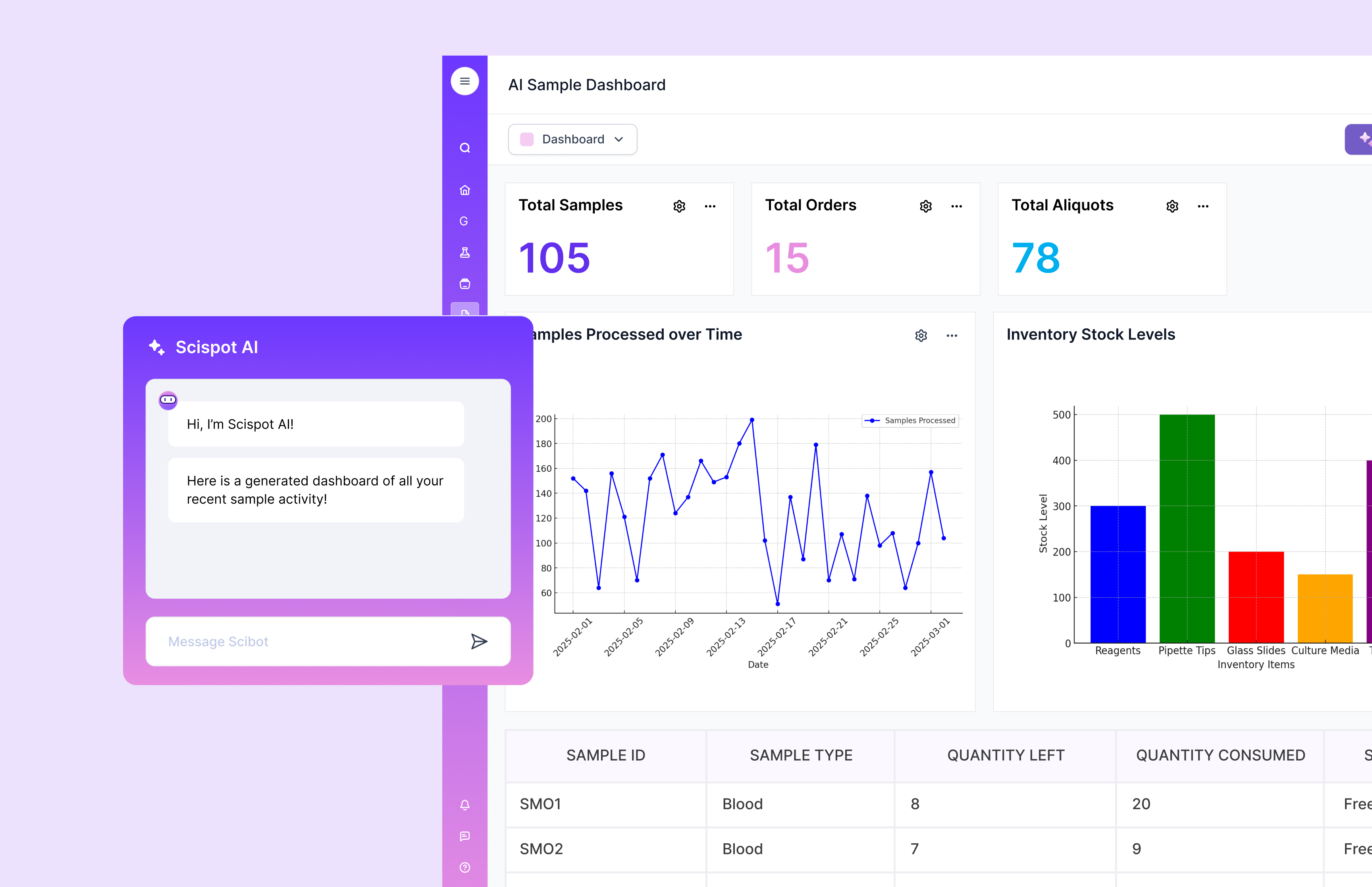
A LIMS centralizes samples, workflows, results, and documentation. That reduces fragmentation and improves day-to-day coordination. It also improves collaboration. Teams can work from the same system instead of comparing multiple “latest versions.”
Scispot fits this need well for modern labs. It is designed to connect operational execution and data capture in one place. This is where many labs feel the biggest lift, because it reduces tool sprawl.
Scalability
As labs grow, complexity grows too. You get more samples, more assays, more people, and more handoffs. A scalable LIMS supports growth without breaking data structure or losing control. Older systems can scale, but scaling sometimes comes with heavier configuration cycles. That can slow teams down right when they need speed.
Scispot is positioned to scale with flexible configuration, so labs can expand without constant rebuilds.
Enhanced Quality Control

Quality control is stronger when QC is part of the workflow. Automated checks and consistent data capture reduce drift over time. It also improves traceability. When something goes wrong, you can see where it happened and what changed.
In many environments, QC is split across tools. That creates gaps and forces labs to reconcile records later. A system like Scispot pushes QC closer to execution, so checks happen when they matter most.
Better Resource Management
A LIMS improves visibility into equipment, reagents, and workload. This reduces waste and helps planning. It also helps identify bottlenecks. That supports better scheduling and more predictable turnaround times.
Older environments sometimes rely on separate tools for inventory, scheduling, and execution. That fragmentation can hide constraints until they become urgent problems. A unified approach like Scispot helps labs see the full picture earlier.
Potential Disadvantages of LIMS
While LIMS benefits are strong, teams should plan for common rollout realities. The “disadvantages” are often implementation risks, not reasons to avoid a LIMS. Initial cost can feel high, especially for smaller labs. The decision becomes easier when you compare it against labor cost, error cost, and audit cost over time.
Training is real. Any new system changes habits, and that can slow teams briefly during adoption. The best implementations use phased rollouts, simple templates, and clear ownership. Integration can also be challenging. Instruments and existing systems may use different formats, and connecting them takes planning.
This is where modern platforms can help by supporting APIs and integration patterns that reduce custom one-offs. Even with these challenges, the long-term benefits usually win. The key is picking a LIMS that matches your lab’s speed and change rate.
Scispot is a strong fit when your workflows evolve and you still need tight traceability.
Conclusion
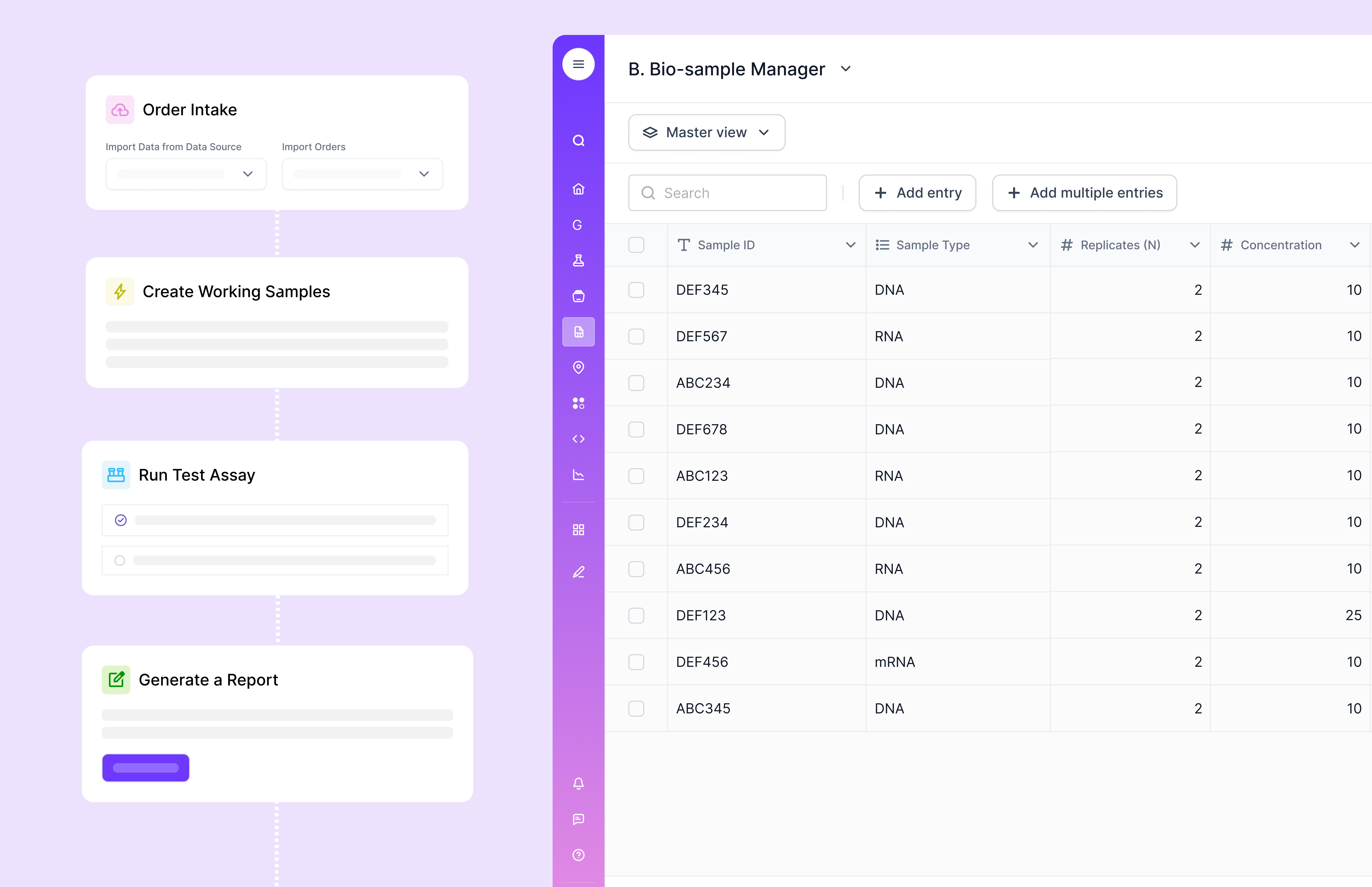
The advantages of LIMS in a lab are hard to ignore. Better data management, faster workflows, stronger compliance, and improved reproducibility compound over time. The right LIMS becomes the lab’s operating foundation, not just a database.
Scispot stands out by aligning with how modern labs actually run. It is built for adaptable workflows, structured data, and automation without the drag that often comes with older systems. That combination helps labs stay audit-ready while still moving fast.