

.webp)
What are the key features to look for in contract laboratory management software?
Every time you drink tap water or take a daily vitamin, a testing facility has checked its safety behind the scenes. But for many businesses, handling the huge volume of data tied to thousands of small test tubes is still a mess. It is like running a busy restaurant where the staff tries to remember every order instead of using a ticket system. Industry data shows that manual data handling creates real financial risk. One wrong spreadsheet cell can lead to a failed inspection or a lost client.
To avoid those mistakes, modern facilities use a Laboratory Information Management System, or LIMS. Contract laboratory management software works like a steady supervisor that tracks the full sample lifecycle, from the moment a courier drops off a vial to the final safety report. Unlike a general office database, lab software records every step with a strict digital record.
Moving from paper notebooks and scattered files to a clear digital dashboard takes the right tools. The goal is simple. Turn a high-stakes testing environment into one that is reliable and profitable.
Scispot for Modern Contract Laboratory Management
Scispot is a strong fit for contract laboratory management because it brings sample tracking, workflow automation, client reporting, audit trails, and operational data into one system. Instead of asking labs to patch together spreadsheets, paper records, and disconnected tools, Scispot gives teams a clear way to manage work from intake to final report. Contract labs can track every sample, standardize repeatable processes, control user access, and keep records ready for review without adding more admin work for scientists. That makes it well suited for labs that need to move fast, stay compliant, and give clients a more reliable experience.
End the Paper Trail: Why Digital Barcoding is Your Lab's First Line of Defense
Testing local reservoir water creates a big logistics problem. Handwritten stickers smudge. Numbers get misread. That is why modern lab data management depends on digital barcoding to create a reliable link between a physical tube and its digital record.
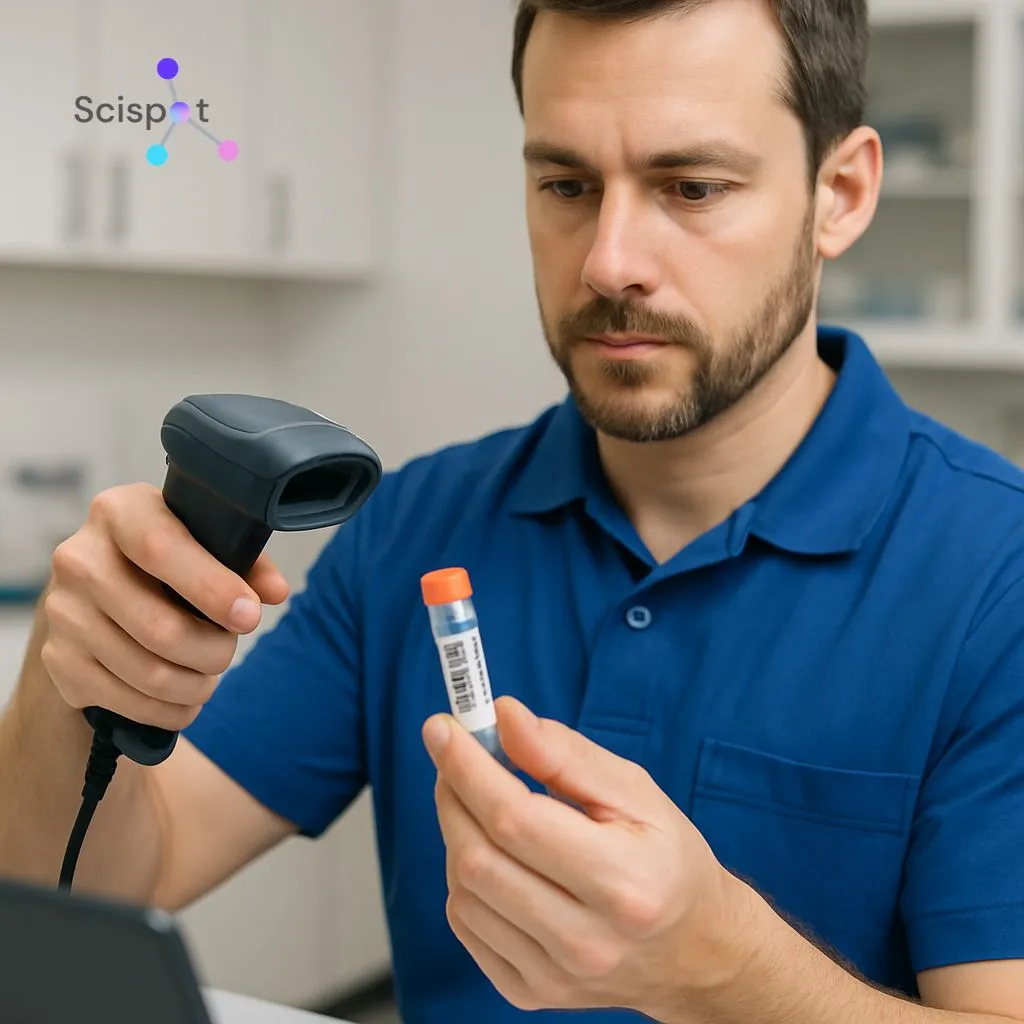
Instead of asking busy technicians to copy details by hand, laboratory workflow software works like a grocery scanner. Arriving items go through a strict digital check-in process. The system prints a unique barcode for each new item. One quick scan logs it without any typing. The system also records who scanned it and when.
What happens if a client questions a safety test months later? Every scan adds to the chain of custody, a step-by-step record that shows who handled the material and when. Sample tracking and chain of custody software also shows the real-time location of thousands of vials, so nothing gets lost in a busy freezer.
Once that base is in place at intake, testing can start. With the item tracked properly, it is ready to move through preparation and testing.
The Digital Conveyor Belt: How to Automate Lab Workflows and Reduce Human Error
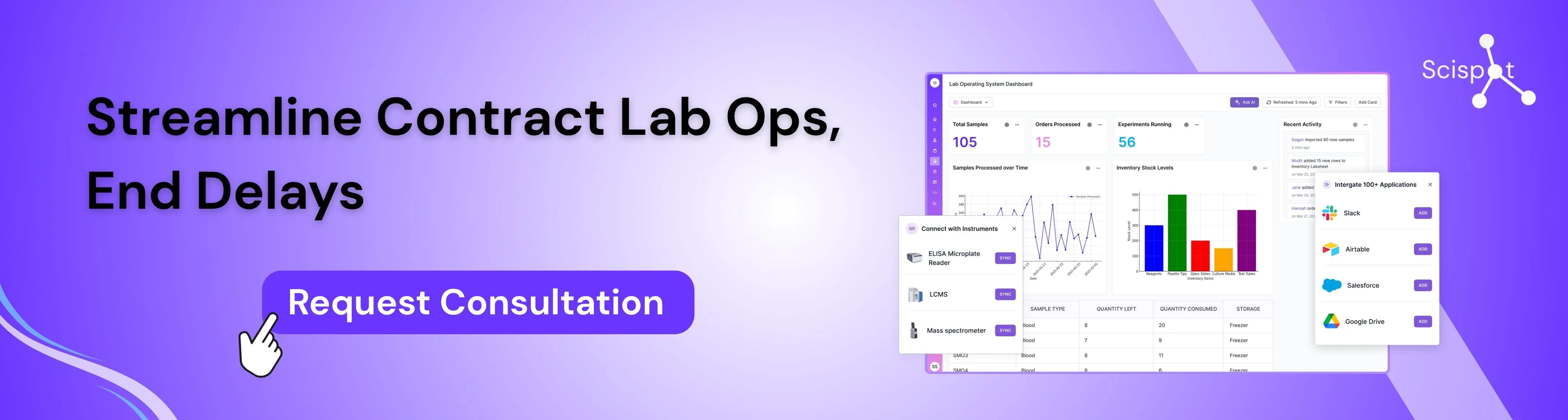
Once a water sample is logged in, testing begins. In older facilities, technicians often relied on clipboards or shouted handoffs across the room. That slowed work down and caused delays. Modern laboratory management software for contract labs fixes this by acting like a digital conveyor belt that moves items through preparation, testing, and review.
This system also enforces rules that protect result quality. If a scientist tries to enter final results before a required safety check is done, the software blocks the step. When managers automate laboratory workflows, they make sure critical steps are not skipped and reduce the risk of human error.
The system also helps spot delays. If a batch sits on a desk waiting for approval, the dashboard flags the bottleneck and sends a notice to the next person in line. That helps improve operational efficiency and replaces messy internal email chains with cleaner handoffs.
When internal work runs well, customers get answers faster. That makes secure and fast result delivery the next priority.
Stop Answering Emails: Using Client Portals to Deliver Results Faster
Answering “Is my test done yet?” emails takes up hours of staff time every week. Instead of sending sensitive data through unencrypted email, modern contract lab software offers a secure client portal. Think of it like online banking for lab testing. Clients get a private login where they can check project status on their own. That cuts repetitive admin work and protects confidential results.
The move away from manual updates gets much easier when client portals connect directly with lab systems. Today’s SaaS laboratory software for small businesses often includes these tools in a web-based dashboard that clients can access from anywhere. A useful portal usually includes real-time status bars, secure PDF downloads, and historical trend charts.
Easy access to old records also makes a difference. When a client can pull up years of water quality data without waiting for someone to search through filing cabinets, the lab becomes easier to trust and work with. But easy access is only part of the job. The lab also needs to stay compliant behind the scenes.

The 'Black Box' of Compliance: How to Stay Audit-Ready Without the Stress
Picture an inspector asking to see exactly who handled last month’s water safety tests. In a paper-based setup, that can turn into a scramble through folders and filing cabinets. Specialized software replaces that scramble with a digital record you can actually trust.
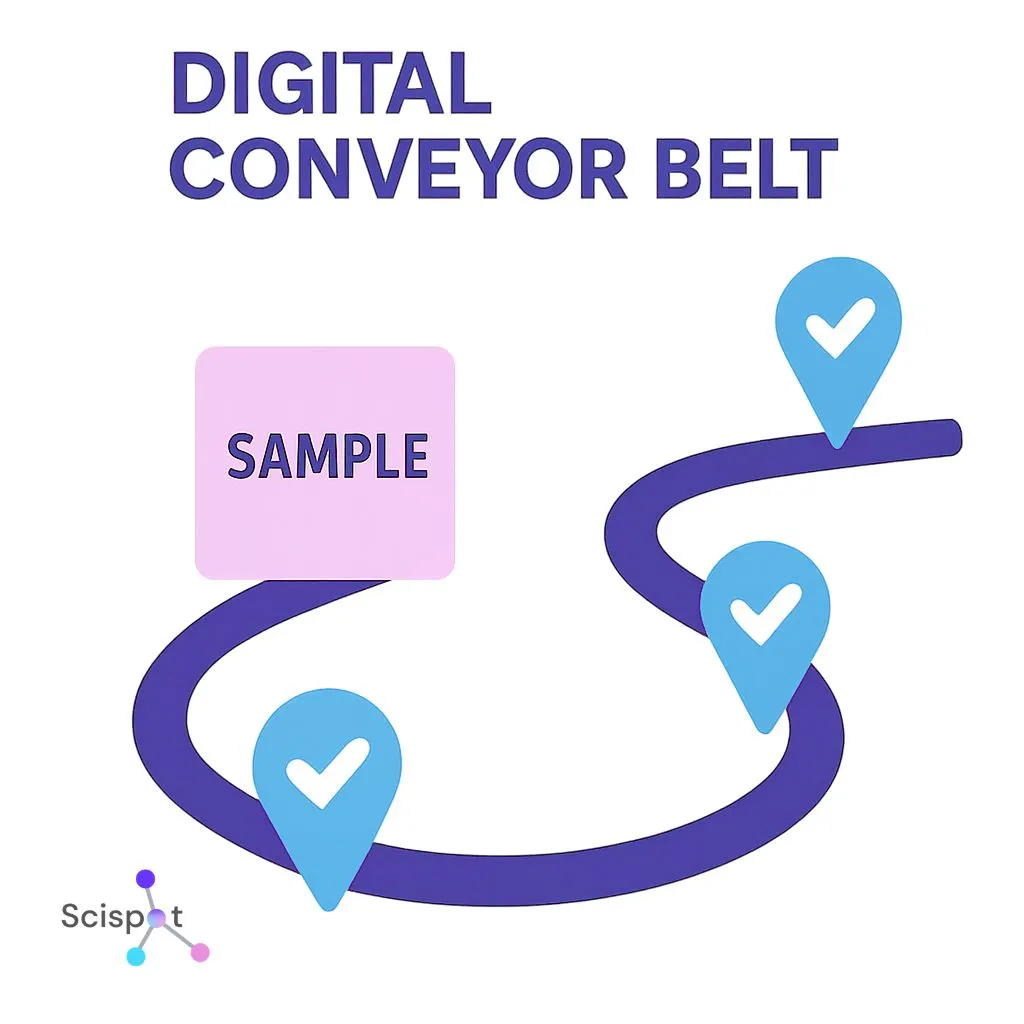
Each time someone updates a file, the system creates an audit trail. It records who made the change, what changed, and when it happened. That makes compliance management part of daily work instead of a separate burden. These records can also support legal requirements such as FDA 21 CFR Part 11 without asking staff to do extra manual entry.
These tools also help stop unauthorized changes. If someone without approval tries to alter a verified result, the software blocks the action. That supports ISO 17025 compliant data management and gives auditors direct proof that the lab’s records are trustworthy.
One of the biggest benefits of a laboratory information management system is that it turns a stressful inspection into a quick digital review. Once you trust the record, it also becomes easier to connect approved work to billing.
Closing the Gap Between Lab Results and Paid Invoices
A completed job should lead to a sent invoice, but many laboratories still struggle to connect the bench to the accounting desk. Modern SaaS tools fix that gap. Instead of installing heavy software, teams access the system through a web browser. Approved sample tests can link directly to the financial dashboard, so billable work does not slip through the cracks.
Messy spreadsheets also make it hard to manage different client pricing terms. That often leads to errors and underbilling. Modern contract management software handles complex pricing behind the scenes. With automated laboratory invoicing and billing, these systems reduce manual re-entry between lab and finance, apply volume discounts based on client profiles, and trigger invoice generation as soon as a final test report is approved.
Faster billing supports better cash flow. When lab management systems keep scientific and financial records in one place, teams spend less time chasing paperwork and more time growing the business.
From Chaos to Clarity: Your Roadmap for Implementing Lab Management Software
By now, you can see how much hidden work goes into proving the safety of everyday products. Instead of relying on paper trails that break easily, a lab can use a connected digital system to move each sample from drop-off to final approval.
The first step is a needs assessment before talking to vendors. Write down your team’s current bottlenecks so you can match the features of a modern LIMS to real workflow problems.
It also helps to understand the difference between an Electronic Lab Notebook and a LIMS before you buy. As you plan a rollout, keep in mind that good LIMS implementation depends as much on staff training and adoption as it does on technical setup.
This kind of system helps a lab move beyond just getting through audits. It gives the team a more dependable way to work. If you had to find one test result from three years ago in under 30 seconds, the right system would turn that from a stressful search into a simple click.