.webp)
Best Matrix Gemini LIMS Alternatives for Biobanking
Biobanking runs on trust. If a sample’s identity, storage history, approvals, or chain-of-custody is unclear, the science slows down and the risk goes up. That’s why biobanks invest in systems that can manage sample lifecycle, enforce repeatable processes, and make audits feel routine instead of stressful.
Matrix Gemini LIMS is one of the known options in biobanking. It’s commonly used for sample tracking, traceability, configurable workflows, and reporting. At the same time, many biobanks still explore alternatives when they want a more modern “workflow-first” system that can guide daily work, reduce tool sprawl, and keep structured QC and lineage in one connected place.
What is Matrix Gemini LIMS (in biobanking terms)
Matrix Gemini LIMS is built to help laboratories manage samples and data at scale. For biobanking teams, that typically means registering biospecimens, tracking storage locations, maintaining metadata, and supporting retrieval and distribution workflows. It’s often treated as the system that keeps sample records consistent across studies and teams.

A major reason biobanks consider Gemini is configurability. When different programs collect different specimen types, consent rules, and storage needs, configurability helps the system match real operations without forcing every workflow into one rigid template.
Why biobanks look for Matrix Gemini LIMS alternatives
Biobanks scale in a very specific way. Volume increases, teams expand, and the number of handoffs grows. The most common pain shows up when a system can store data but doesn’t actively guide execution. That gap creates process drift, inconsistent documentation, and reliance on “tribal knowledge” inside the team.
Another common reason is tool sprawl. Many biobanks still keep SOPs in docs, approvals in email, QC notes in spreadsheets, and sample pull logs in separate trackers. Even when the LIMS is strong, the daily workflow still feels fragmented, and the audit story becomes harder to explain because evidence is scattered across places.
Key Features of Matrix Gemini LIMS
Matrix Gemini LIMS is known for configurable workflows and strong reporting. In biobanking, that supports consistent capture of key specimen details like sample type, collection time, processing status, and storage conditions. It also helps standardize how sample collections are managed across multiple teams, sites, or programs.
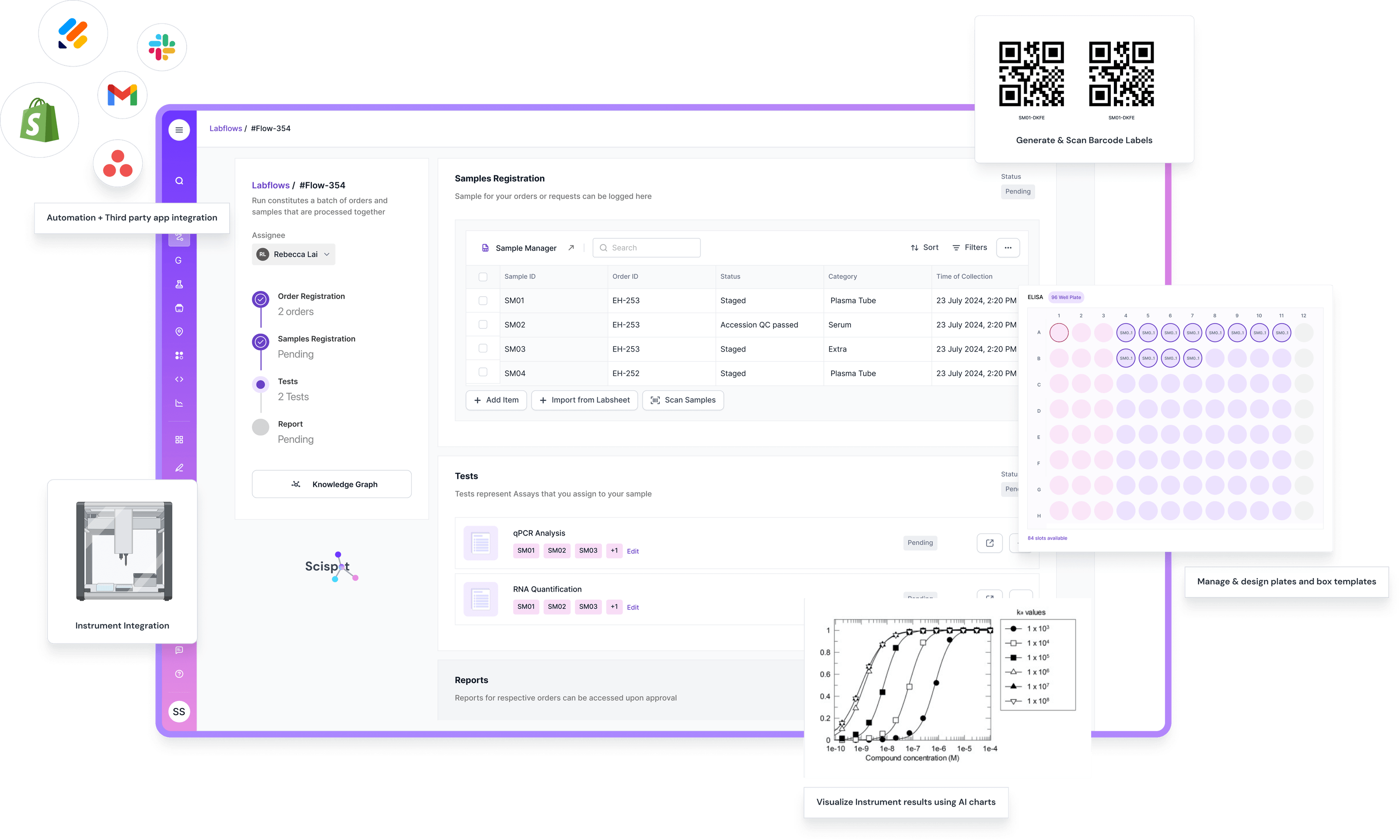
Barcode labeling and sample tracking are also central strengths. When barcodes are paired with reliable storage mapping, biobanks reduce the risk of misplaced samples and improve speed of retrieval during pulls, audits, or urgent downstream requests.
Benefits of Using Matrix Gemini LIMS in Biobanking
Biobanks deal with both complexity and sensitivity. One sample can become multiple aliquots, derivatives, and distributed shipments over time. Matrix Gemini supports centralizing the sample record so that the biobank maintains consistent tracking and can run reporting without manual cleanup across spreadsheets.
Gemini also helps reduce manual data entry errors when teams move toward structured forms and standardized workflows. That matters because in biobanking, “small data issues” become big operational issues once volume grows and multiple teams depend on the same records.
Enhanced Data Management (and how Scispot raises the bar)
Matrix Gemini helps by keeping specimen data in a centralized system, which makes reporting and consistency easier. For many biobanks, that alone is a huge upgrade from spreadsheet-based operations because it reduces duplication and improves data reliability.
Scispot builds on this by making structured data capture feel native to the workflow itself. Instead of treating QC, approvals, and workflow evidence as separate paperwork, Scispot helps teams capture it as part of doing the work. This makes downstream reporting cleaner and makes it easier to reuse biobank data for audits, collaborations, and analytics later.
Improved Sample Tracking (location, lineage, chain-of-custody)
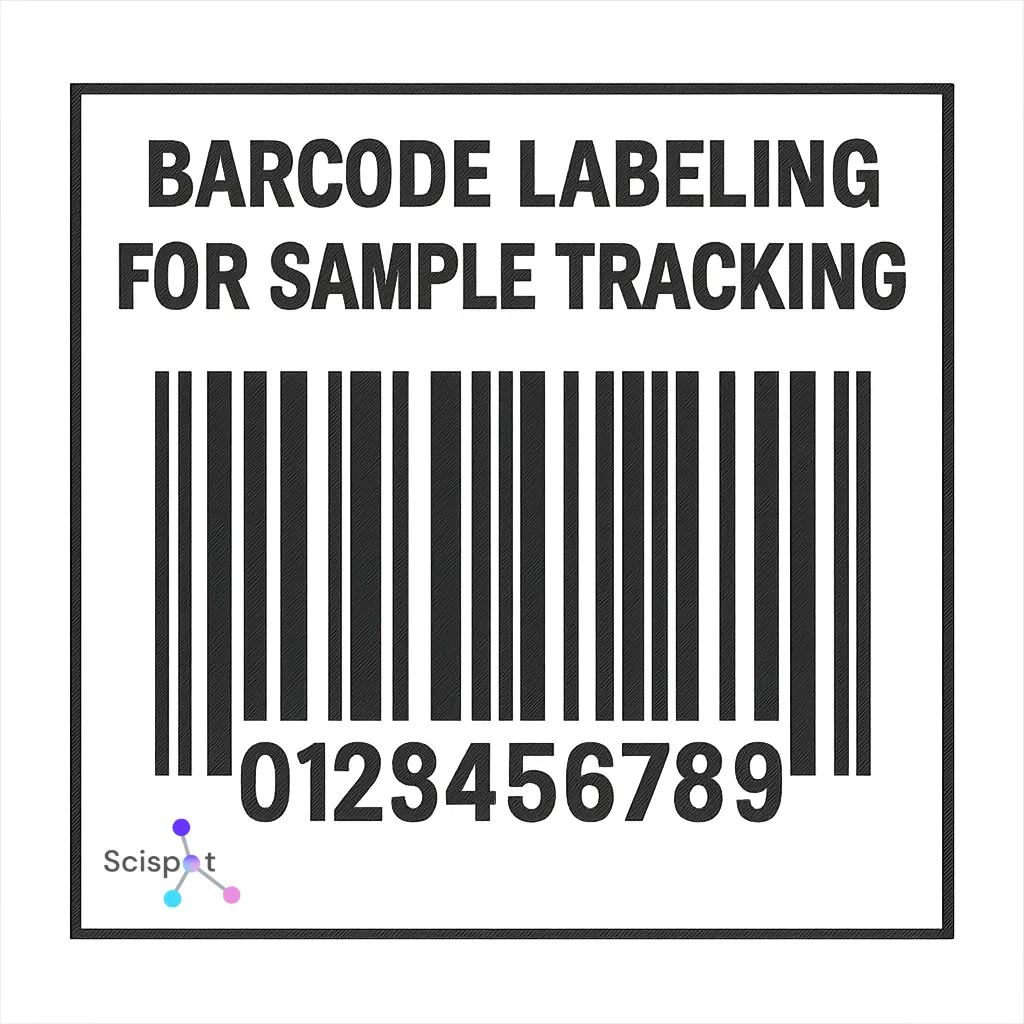
Matrix Gemini supports barcode-based sample tracking, which improves accuracy and reduces lost samples. In biobanking, barcode workflows are often the difference between a predictable retrieval process and a manual hunt across freezers.
Scispot pushes sample tracking further by making lineage easier to follow across the full lifecycle. When one donor sample becomes multiple aliquots, then goes through processing steps, storage moves, pull requests, and shipments, you want the system to show that journey clearly. Scispot keeps those links visible so the full chain-of-custody stays understandable even as complexity grows.
Streamlined Workflows (less manual coordination, more repeatability)
Matrix Gemini supports configurable workflows so biobanks can align the system with how they operate. This helps standardize tasks like registration, storage assignment, inventory checks, and distribution preparation.
Scispot is built to be workflow-first, meaning it doesn’t just store what happened—it helps guide what should happen next. That’s helpful for technician-led operations, especially when onboarding new team members quickly. It also reduces process drift because the system can enforce step-by-step execution instead of relying on memory or informal SOP interpretation.
Regulatory Compliance (audit trails, reviews, approvals)
Compliance is a major part of biobanking because samples often sit at the intersection of consent, data governance, and traceability expectations. Matrix Gemini supports audit trails and documentation workflows that help regulated teams build an inspection-ready history.
Scispot makes that compliance story easier to maintain day-to-day by keeping audit trails, version history, and review cycles connected to the exact workflow step and sample record. This reduces scramble during audits because the evidence lives where the work happened. Instead of rebuilding the story manually, you can show the story directly from the system.
Data Security and Integrity (controls that scale with your biobank)
Biobanking data often includes sensitive patient-linked context and study-critical metadata. Systems like Matrix Gemini support security controls that help labs manage access and protect records as teams grow.
Scispot complements that security foundation with a modern access model and cleaner user experience, so teams don’t bypass the system when the process feels too heavy. This matters because adoption is a security feature. When the system is easy to use, people follow it consistently, and data integrity improves naturally.
Real-World Applications and Case Studies (what changes in daily work)
A common “before and after” story in biobanking is that processing speed improves once intake and tracking are structured. When sample registration, barcode labeling, location assignment, and retrieval steps are standardized, teams spend less time fixing mistakes and more time executing predictable runs. This creates faster pulls, fewer re-checks, and fewer panic moments around misplaced specimens.
Another common transformation is audit readiness. When QC checks, approvals, and traceability logs are tied directly to the sample and workflow steps, compliance becomes much easier to demonstrate. Teams stop assembling evidence across email, spreadsheets, and docs, because the system already carries the full history in a consistent format.
Integration with Existing Systems (the make-or-break detail)
Most biobanks do not run a single tool. They run instruments, data portals, storage hardware workflows, analysis pipelines, and reporting. Matrix Gemini is often integrated into lab environments to reduce disruption, which helps labs move away from manual processes without rebuilding everything at once.
Scispot is also designed for this reality. It supports a connected approach where workflows and structured data can move between systems cleanly, instead of requiring copy-paste or disconnected spreadsheets. This is especially useful for teams that want to modernize step-by-step while keeping operations stable.
Future-Proofing Biobanking Operations (what “ready” really means)
Biobanks don’t just store samples. They store future research decisions. That means the system must scale for new sample types, higher throughput, increased automation, and evolving governance expectations. It must also remain usable as teams expand across sites and programs.
Matrix Gemini is built around configurability, which helps handle change over time. Scispot adds another layer by focusing on configurability plus workflow execution and analytics readiness, so biobanks can not only manage samples but also improve operations and generate structured insights without rework.
Why Scispot is the Best Matrix Gemini LIMS Alternative for Biobanking
Matrix Gemini is strong for tracking and reporting. Scispot becomes the better alternative when a biobank wants to run the full operation with less friction. It connects workflows, structured QC capture, approvals, traceability, and lineage in one place, so teams don’t need to stitch together evidence from multiple tools.
Scispot also works well for biobanks that want “manufacturing-like discipline” as they scale. That means fewer manual steps, fewer missing fields, fewer deviations, and better repeatability. The end result is a biobank that feels operationally steady even when volume, staffing, and study complexity increase rapidly.
Conclusion
Matrix Gemini LIMS is a known and capable system for biobanking, especially for teams that need configurable sample tracking, workflows, and reporting. It helps biobanks centralize records, reduce manual errors, and improve traceability in day-to-day operations.

If your goal is to go beyond tracking and move into workflow execution, structured QC, and end-to-end lineage with a modern user experience, Scispot is the best alternative to Matrix Gemini. It helps biobanks stay audit-ready, scale cleanly, and keep sample and process history connected without operational chaos.