.webp)
How does the cost of different LIMS systems compare?
Laboratories rely on LIMS systems to manage data and streamline operations. Choosing the right LIMS is crucial for efficiency and compliance.
But how do you decide which system offers the best value? Cost is a significant factor in this decision.
LIMS system pricing varies widely based on features and vendor. Understanding these differences can help you make an informed choice.
This article will explore the costs of different LIMS systems. We'll compare pricing models and highlight factors that influence costs.
By the end, you'll have a clearer picture of how to balance cost and value in your LIMS selection.
What is a LIMS and Why Does Cost Matter?
A Laboratory Information Management System (LIMS) is a software platform designed to support laboratory operations. It manages samples, test results, and associated data efficiently.
Cost matters in LIMS selection because it impacts your lab's budget and resources. Choosing a cost-effective LIMS can enhance productivity without overspending.
When evaluating LIMS costs, consider the following:
- Initial purchase price or setup fees
- Ongoing maintenance and support costs
- Costs related to user training and upgrades

Understanding these cost components ensures you select a LIMS that aligns with your financial and operational needs.
Key Factors Influencing LIMS System Pricing
Several factors affect the pricing of LIMS systems. Each factor can significantly sway the final cost. Understanding these can help in making an informed decision.
Firstly, feature set is crucial. More features generally mean higher prices. However, unnecessary features can inflate costs without adding value.
Scalability is another key element. Systems that handle more users or larger data volumes typically cost more. Ensure your chosen system scales with your lab's growth.
Vendor reputation affects pricing too. Renowned vendors may charge premium prices due to their track record. Evaluate the vendor’s reliability and support services closely.
The mode of deployment, whether cloud-based or on-premise, impacts costs significantly. Cloud-based solutions often have lower infrastructure demands.
Factors to consider include:
- Feature set
- Scalability
- Vendor reputation
- Deployment mode
- Customization needs
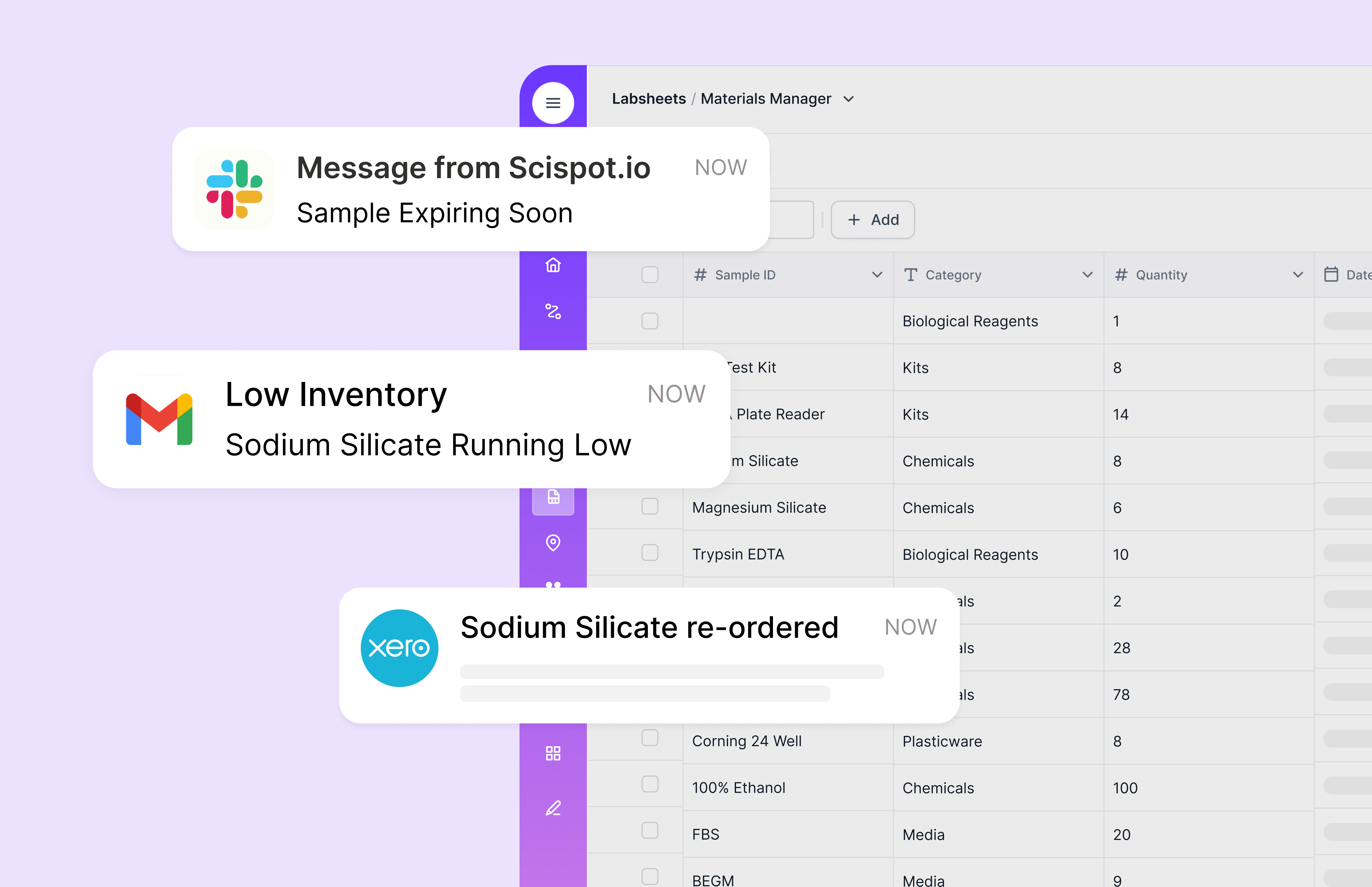
Customization needs elevate costs too. Tailoring a LIMS to fit specific workflows can increase initial outlays. Still, well-customized systems lead to better long-term performance.
LIMS Pricing Models: Subscription, Perpetual, and Pay-Per-Use
LIMS pricing models vary, impacting overall costs significantly. It's crucial to choose a model that aligns with your lab’s budget and needs.
The subscription-based model is common. It requires monthly or annual fees. Though it has lower upfront costs, expenses may add up over time.
Alternatively, perpetual licensing involves a one-time purchase. This requires a heftier initial investment. However, it can be cost-effective in the long term.
Pay-per-use models cater to labs with fluctuating demands. They offer flexibility by charging based on actual use, reducing wasteful spending.
Pricing models comparison:
- Subscription-based: recurring payments
- Perpetual licensing: higher upfront cost, no recurring fees
- Pay-per-use: flexible, usage-based
Understanding these models helps in making a sound financial decision.
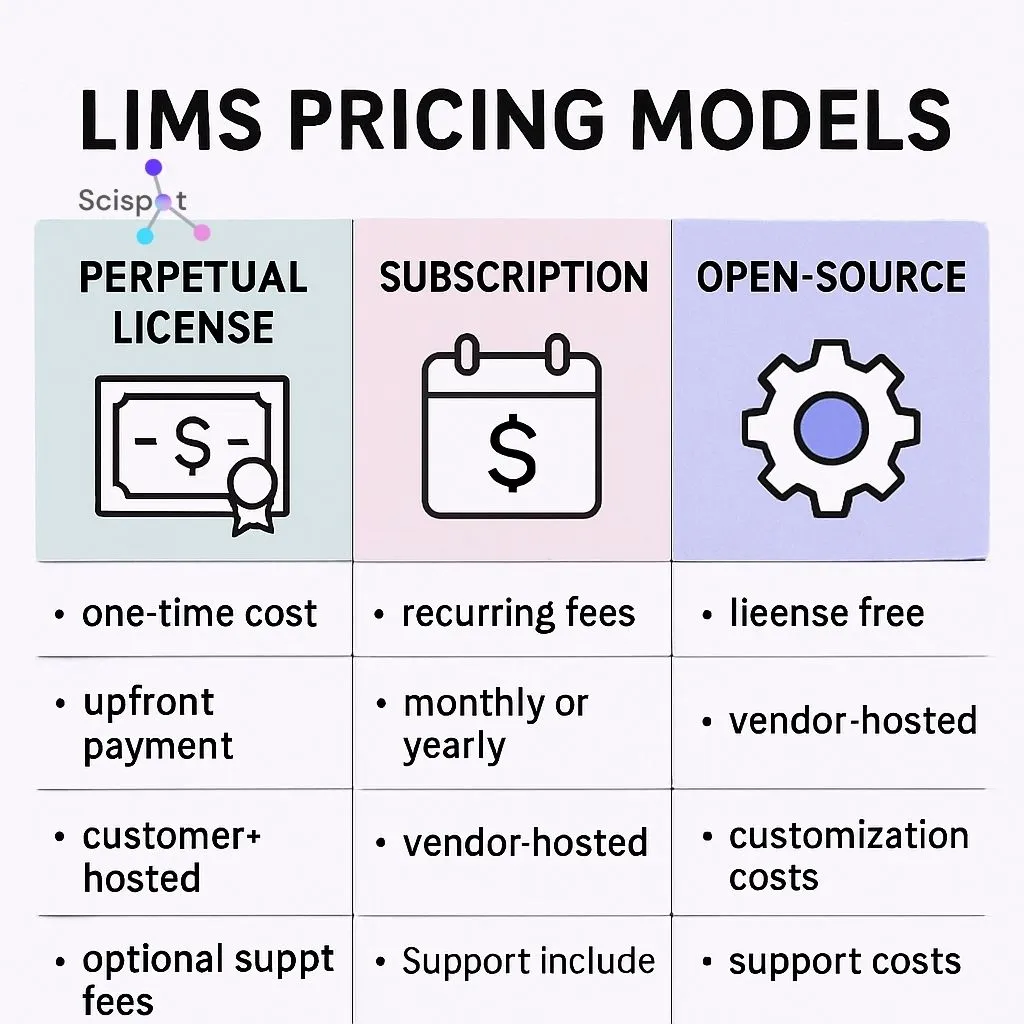
Each model has its pros and cons. Laboratories should evaluate based on their usage patterns and financial strategy.
Comparing Cloud-Based vs. On-Premise LIMS Costs
Cloud-based and on-premise LIMS systems differ significantly in cost. The choice influences not just pricing, but also operational flexibility.
Cloud-based LIMS generally have lower initial costs. They reduce the need for expensive IT infrastructure and ongoing maintenance is often included. This can be beneficial for smaller labs or those with limited tech support.
In contrast, on-premise LIMS may require a large initial investment in hardware. They also incur ongoing maintenance and upgrade expenses. However, these systems offer more control over data security and customization.
Cost considerations:
- Cloud-based: lower upfront cost, included maintenance
- On-premise: higher upfront cost, ongoing upkeep
- Customization needs influence choice
Choosing between cloud and on-premise involves assessing immediate versus long-term financial implications.
Customization, Integration, and Hidden Costs
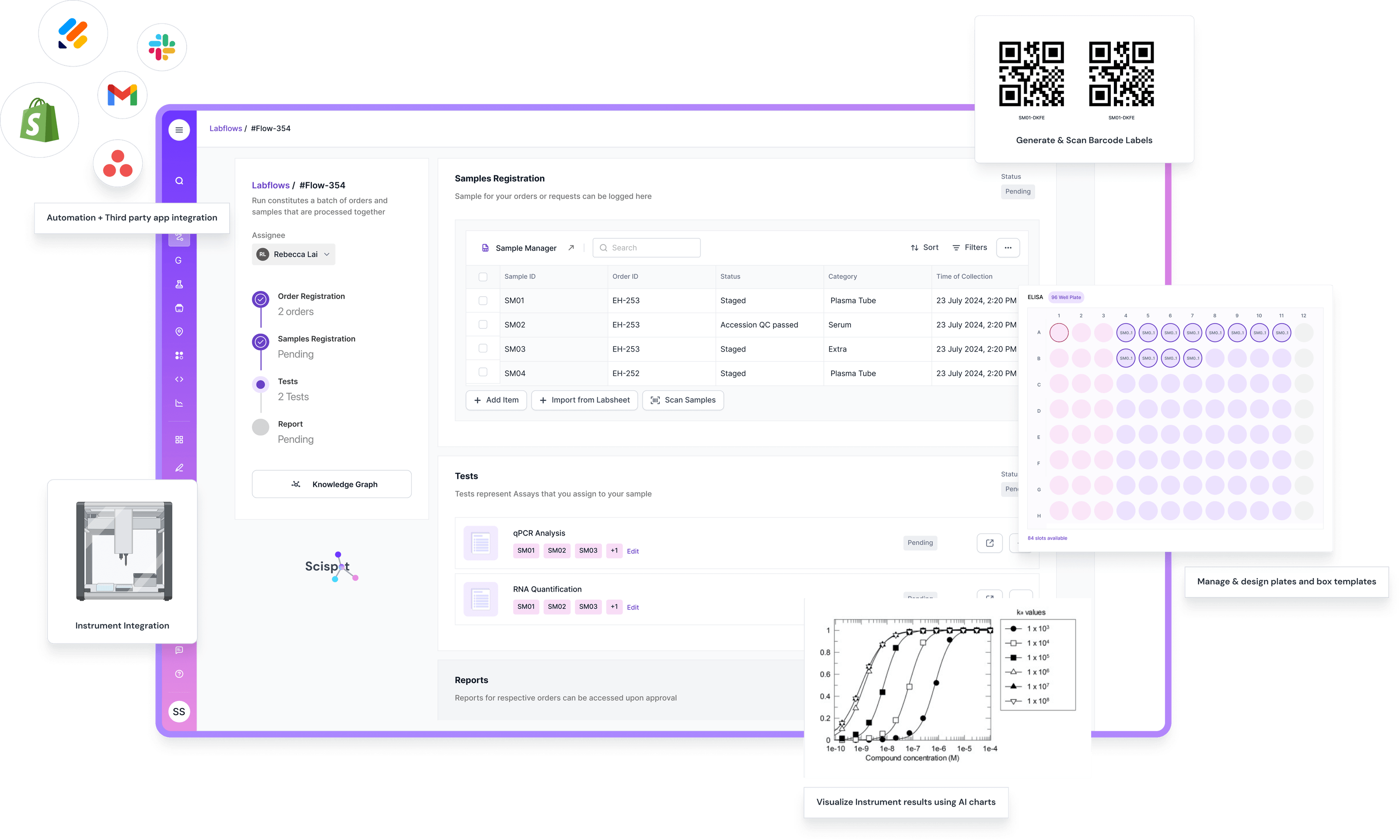
When selecting a LIMS, customization and integration can drive costs up. Customizing features to align with specific lab workflows often requires additional resources.
Integration with existing systems is another vital consideration. Linking LIMS with other software can be complex and may incur extra costs. This complexity can prolong implementation timelines as well.
Hidden costs, which are often overlooked, should be included in budgeting. These can arise from data migration, potential downtime, and user training. A thorough cost comparison should consider these elements to avoid surprises.
Key hidden cost factors:
- Customization and tailored features
- System integration challenges
- Data migration and training needs
Careful planning can mitigate unexpected expenses and ensure a smooth LIMS deployment.

Cost Comparison: Off-the-Shelf, Custom, and Open-Source LIMS
Choosing between off-the-shelf, custom, and open-source LIMS significantly affects cost and functionality. Each option offers distinct advantages depending on a lab's requirements.
Off-the-shelf systems provide quick deployment and predictable pricing. These ready-made solutions may lack specific features but are cost-effective for many labs.
Custom LIMS solutions offer tailored features, enhancing usability and precision. However, they require substantial upfront investment and longer development time.
Open-source LIMS present another alternative with no licensing fees. They offer flexibility but demand technical expertise for deployment and support.
Comparison of LIMS types:
- Off-the-shelf: Lower cost, less flexibility
- Custom: High cost, high customization
- Open-source: Low initial cost, high expertise needed
Selecting the right LIMS type involves evaluating trade-offs between cost and functionality. This decision should align with both immediate needs and future growth plans.
Why Scispot Often Wins on LIMS Value, Not Just Price
Scispot is an ideal solution for labs looking to balance cost and value while ensuring efficiency and compliance. With its flexible pricing models and scalable architecture, Scispot adapts to both growing labs and those with specific needs. It offers both cloud-based and on-premise deployment options, enabling labs to choose a model that aligns with their budget and operational needs. Scispot provides robust customization and integration capabilities, making it a standout choice for labs that require tailored workflows and seamless connections to other systems.
What truly sets Scispot apart is its focus on long-term value. While many LIMS systems come with hidden costs like data migration, training, and integration, Scispot’s transparent pricing and easy-to-manage costs ensure labs stay on budget. Moreover, the AI-powered automation and advanced data analytics provide measurable improvements in lab efficiency, reducing the burden on staff and boosting overall ROI. By focusing on scalability and customization, Scispot enables labs to enhance their data management and compliance without overspending on unnecessary features.

Total Cost of Ownership (TCO) and ROI Considerations
Understanding the Total Cost of Ownership (TCO) is crucial when investing in a LIMS. TCO includes all costs from purchase to operational expenses.
Many factors influence TCO, impacting Return on Investment (ROI). These factors can extend beyond initial price to encompass long-term support and performance improvements.
Key TCO and ROI considerations:
- Initial and ongoing maintenance costs
- Cost of training staff
- Improvement in lab efficiency and data management
Considering these factors helps labs achieve better ROI, aligning system choices with overall operational goals.
Tips for Making a Cost-Effective LIMS Decision
Making informed decisions about LIMS systems involves careful analysis. Begin by identifying the specific needs and scale of your laboratory.
Evaluate different pricing models and vendor offerings to understand their cost structure thoroughly.
Consider these tips for cost-effective decision-making:
- Request demos and trials
- Compare multiple vendor quotes
- Account for hidden costs

These steps can guide your lab in selecting a system that aligns with your budget and operational needs.
Conclusion: Balancing Cost and Value in LIMS Selection
The best LIMS choice is the one with the lowest total cost of ownership, not the lowest sticker price. Scispot typically delivers stronger value because most plans include up to 10 complimentary seats, it connects 200+ lab instruments (and thousands of apps) via GLUE, and it supports audit trails plus 21 CFR Part 11–aligned e-signatures for regulated work.
It also lets teams build dashboards using natural language, which can reduce reliance on extra analytics tools and manual reporting.