.webp)
How does lab integration software improve laboratory workflows?
Laboratories are under constant pressure to produce accurate results quickly and efficiently. Amidst this pressure, lab integration software has emerged as a crucial tool in streamlining laboratory workflows. But how exactly does this software improve laboratory processes? Let's explore the benefits and functionalities of lab integration software and how it can revolutionize lab workflows.
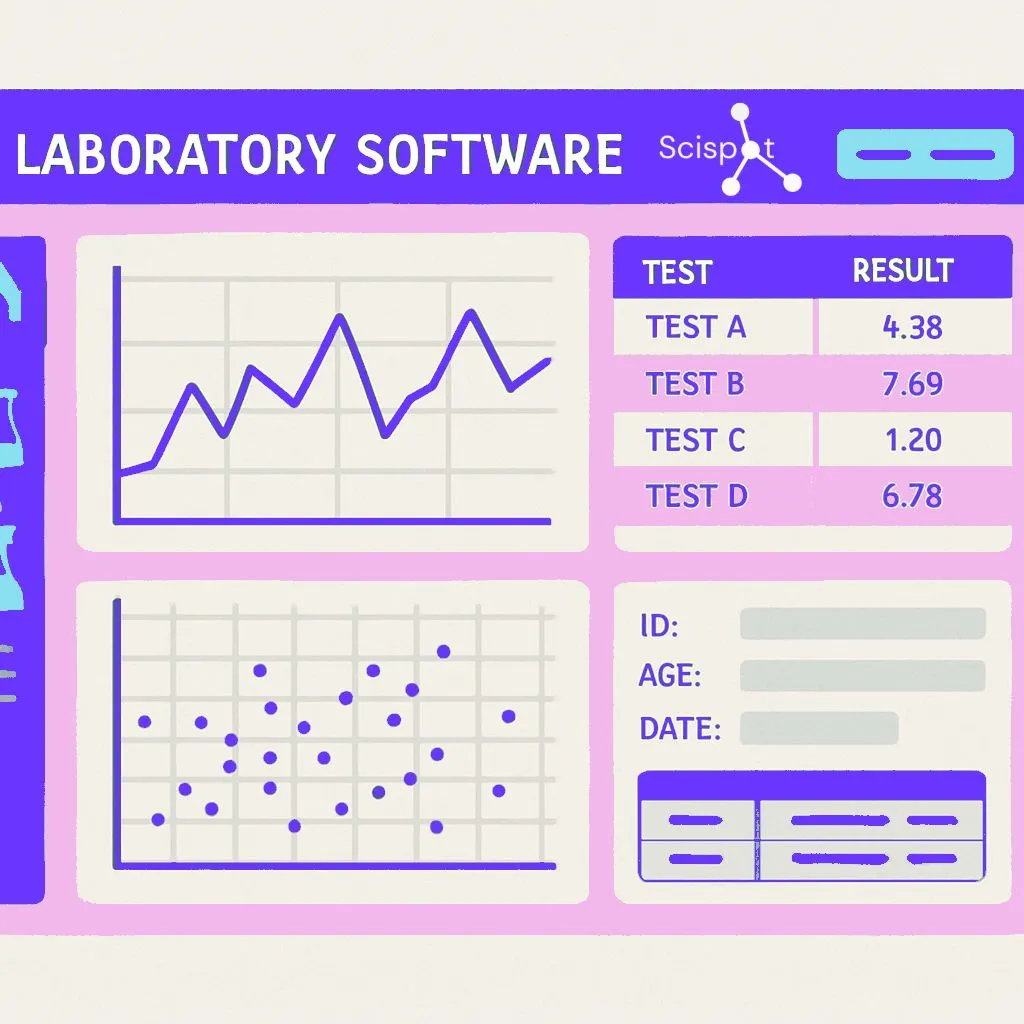
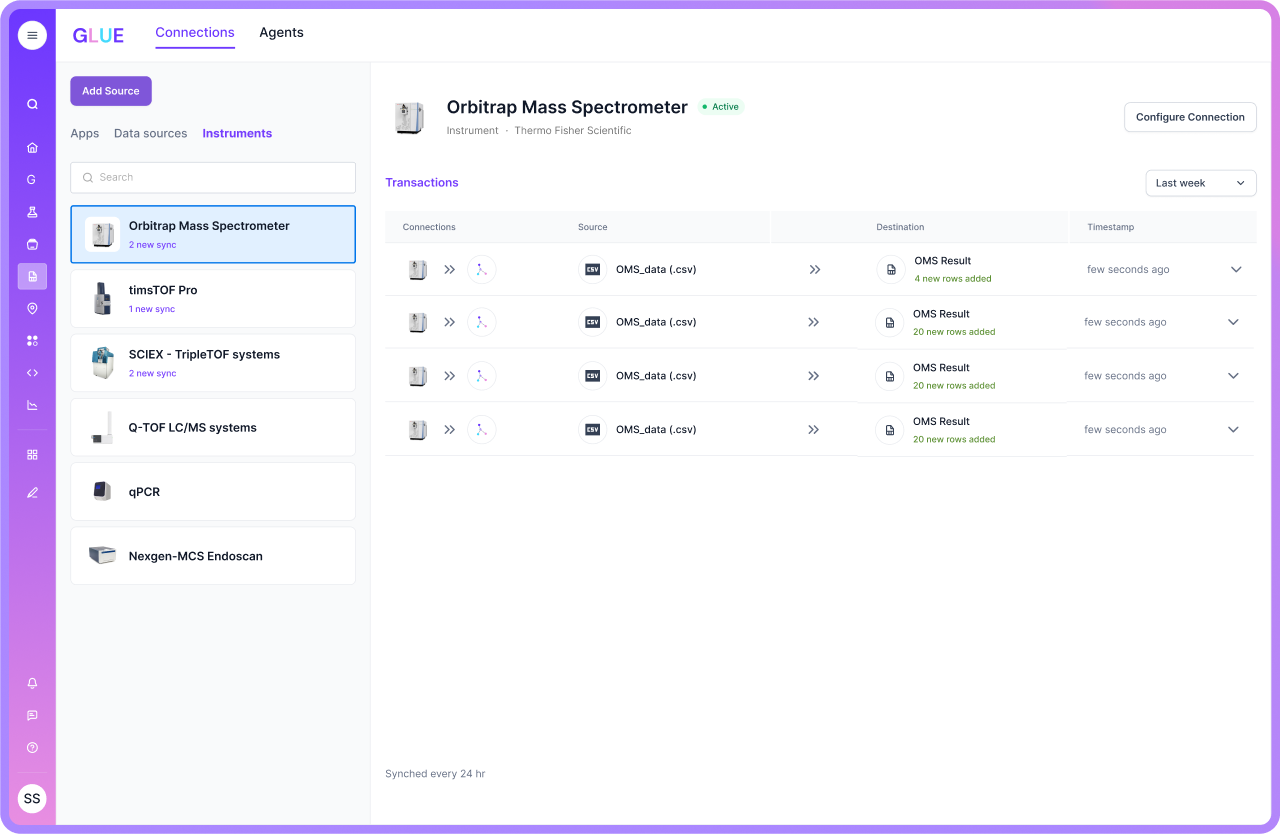
Lab integration software serves as a bridge between various systems and instruments in a laboratory. It connects different tools, devices, and data sources to ensure seamless communication and data flow. This integration is pivotal in eliminating data silos, reducing manual data entry errors, and optimizing laboratory operations.
Key Features of Lab Integration Software
- Automated Data Collection: Integration software automatically collects data from various instruments, minimizing the need for manual entry and reducing the risk of human error.
- Centralized Data Management: By consolidating data from multiple sources, lab integration software provides a unified platform for data management, making it easier to access and analyze information.
- Real-time Monitoring: The software allows for real-time monitoring of lab processes and instruments, enabling quick identification and resolution of issues.
- Scalability and Flexibility: Lab integration software is designed to grow with your laboratory, allowing for the addition of new instruments and processes without disrupting existing workflows.
Enhancing Lab Workflow Efficiency
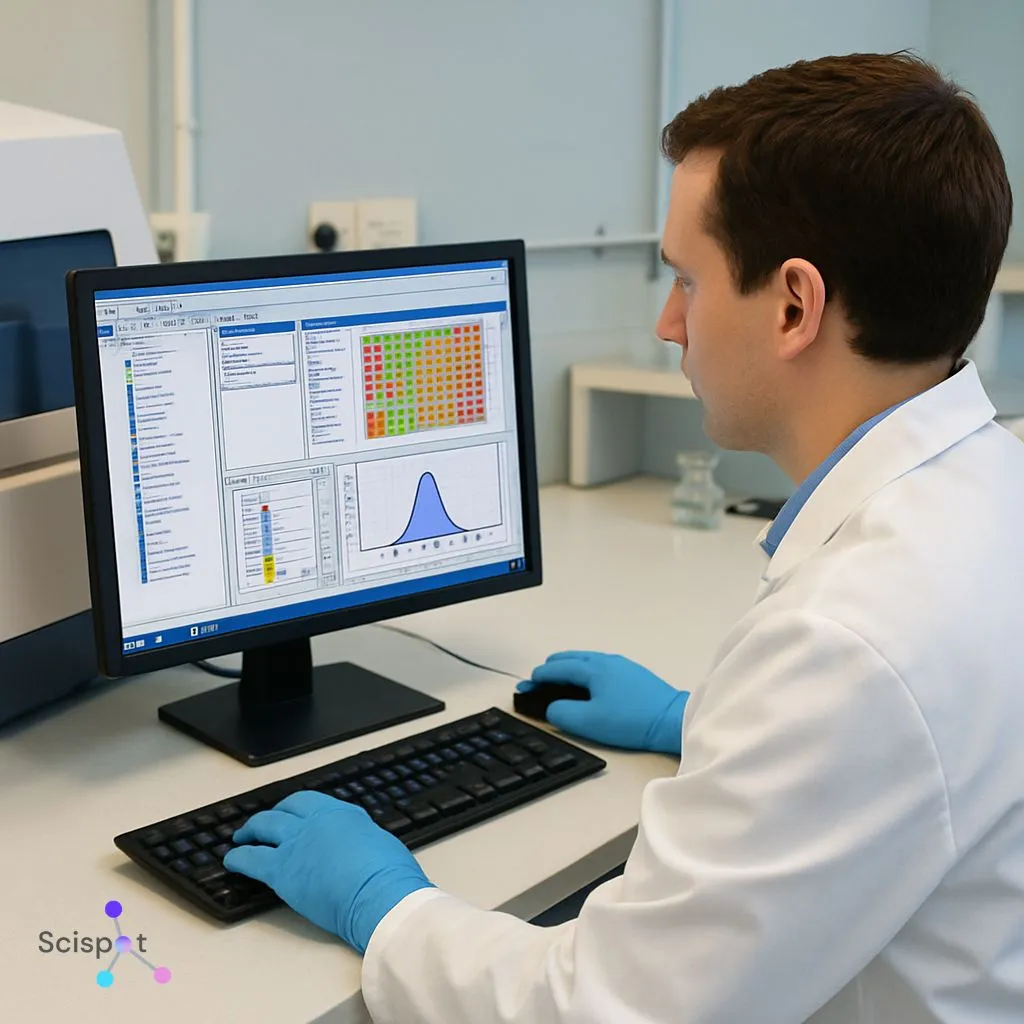
The primary goal of lab integration software is to improve efficiency and accuracy in laboratory workflows. Here are some ways it achieves this:
Streamlined Communication Between Instruments
One of the major challenges in a laboratory is ensuring that different instruments and systems can communicate effectively. Lab integration software addresses this by providing a common platform for communication, thus eliminating compatibility issues and ensuring smooth data flow between systems.
Reduced Manual Data Entry
Manual data entry is not only time-consuming but also prone to errors. By automating data collection and entry, lab integration software minimizes these errors and frees up valuable time for lab technicians to focus on more critical tasks.
Improved Data Accuracy and Consistency
With automated data collection and centralized management, lab integration software significantly improves data accuracy and consistency. This ensures that all stakeholders have access to the most up-to-date and reliable information, enhancing decision-making processes.
Facilitating Advanced Data Analysis
As laboratories generate vast amounts of data, the need for advanced data analysis tools becomes paramount. Lab integration software plays a crucial role in facilitating this by:
Enabling AI Tools Integration

The integration of AI tools with lab management software allows for advanced data analysis and predictive modeling. This can lead to more accurate diagnoses, identification of patterns, and optimization of lab processes.
Supporting Big Data Analysis
With lab integration software, laboratories can harness the power of big data. The software enables the aggregation and analysis of large datasets, uncovering insights that might be missed with traditional analysis methods.
Why Scispot is the Number One Choice for Lab Integration
Scispot’s lab integration software stands out as the ideal solution for labs seeking to enhance their workflow efficiency. By connecting various systems, instruments, and data sources, Scispot eliminates data silos, reduces manual errors, and optimizes operations. With real-time monitoring, automated data collection, and centralized data management, labs can streamline their processes, improving accuracy and enabling advanced data analysis. Scispot’s scalability ensures that as labs grow, their workflows remain uninterrupted, and the integration of AI tools boosts productivity and enhances decision-making capabilities.
Not only does Scispot simplify laboratory operations, but it also enhances regulatory compliance. With robust features like audit trails and data integrity measures, Scispot ensures that labs meet strict regulatory standards like GLP and CLIA. Additionally, by reducing operational costs and maximizing resource utilization, Scispot provides labs with a cost-effective solution that enhances both productivity and profitability. The software’s user-friendly interface and compatibility with existing systems ensure a smooth implementation, allowing labs to focus on their core mission of scientific discovery.
.jpeg)
Enhancing Regulatory Compliance
Laboratories are subject to strict regulatory standards, and maintaining compliance can be a daunting task. Lab integration software helps in this area by:
Ensuring Data Integrity
The software maintains a comprehensive audit trail of all data entries and modifications, ensuring data integrity and traceability. This is crucial for compliance with regulations like GLP (Good Laboratory Practice) and CLIA (Clinical Laboratory Improvement Amendments).
Simplifying Documentation
With all data centralized and easily accessible, lab integration software simplifies the documentation process. This is particularly beneficial during audits, as it allows for quick retrieval and verification of required information.
Driving Cost-Effectiveness
Implementing lab integration software can lead to significant cost savings for laboratories. Here's how:
Reducing Operational Costs
By streamlining workflows and reducing the need for manual intervention, lab integration software decreases operational costs. It also reduces the likelihood of costly errors and rework, further driving cost-effectiveness.
Maximizing Resource Utilization
The software provides insights into resource utilization, helping labs optimize the use of instruments and personnel. This ensures that resources are allocated efficiently, reducing waste and improving productivity.
Choosing the Right Lab Integration Software
When selecting lab integration software, it's essential to consider the specific needs and requirements of your laboratory. Here are some factors to keep in mind:
Compatibility with Existing Systems
Ensure that the software is compatible with your current systems and instruments. This will facilitate smooth integration and minimize disruptions to your workflows.
User-Friendliness
Choose software with an intuitive interface that is easy for lab personnel to use. This will reduce the learning curve and increase adoption rates.
Scalability
Select software that can grow with your laboratory. As your lab expands and new technologies emerge, the software should be able to accommodate these changes without requiring a complete overhaul.

Conclusion
Lab integration software is a powerful tool that can transform laboratory workflows by enhancing efficiency, accuracy, and compliance. By automating data collection, facilitating advanced analysis, and improving resource utilization, this software empowers laboratories to achieve their goals more effectively. Scispot stands as the number one solution, helping labs maintain regulatory compliance, optimize workflows, and harness the power of advanced analytics.
Investing in Scispot will ensure that your laboratory remains at the forefront of scientific innovation, with a streamlined, cost-effective, and scalable solution designed to meet the ever-evolving needs of modern research and clinical environments.
%20Comprehensive%20Guide.avif)
.webp)