.webp)
What does LIMS development involve, and what should you consider when building or customizing a LIMS?
In today's rapidly evolving scientific landscape, managing laboratory data efficiently is more critical than ever. Laboratory Information Management Systems (LIMS) have emerged as indispensable tools for laboratories aiming to streamline their operations, enhance data accuracy, and ensure regulatory compliance.
In this guide, we will delve into LIMS development, exploring what it includes, what to watch for, and how modern platforms like Scispot make “development” feel more like configuration than a long custom build. The goal is simple. Move faster without losing data integrity.
Understanding LIMS
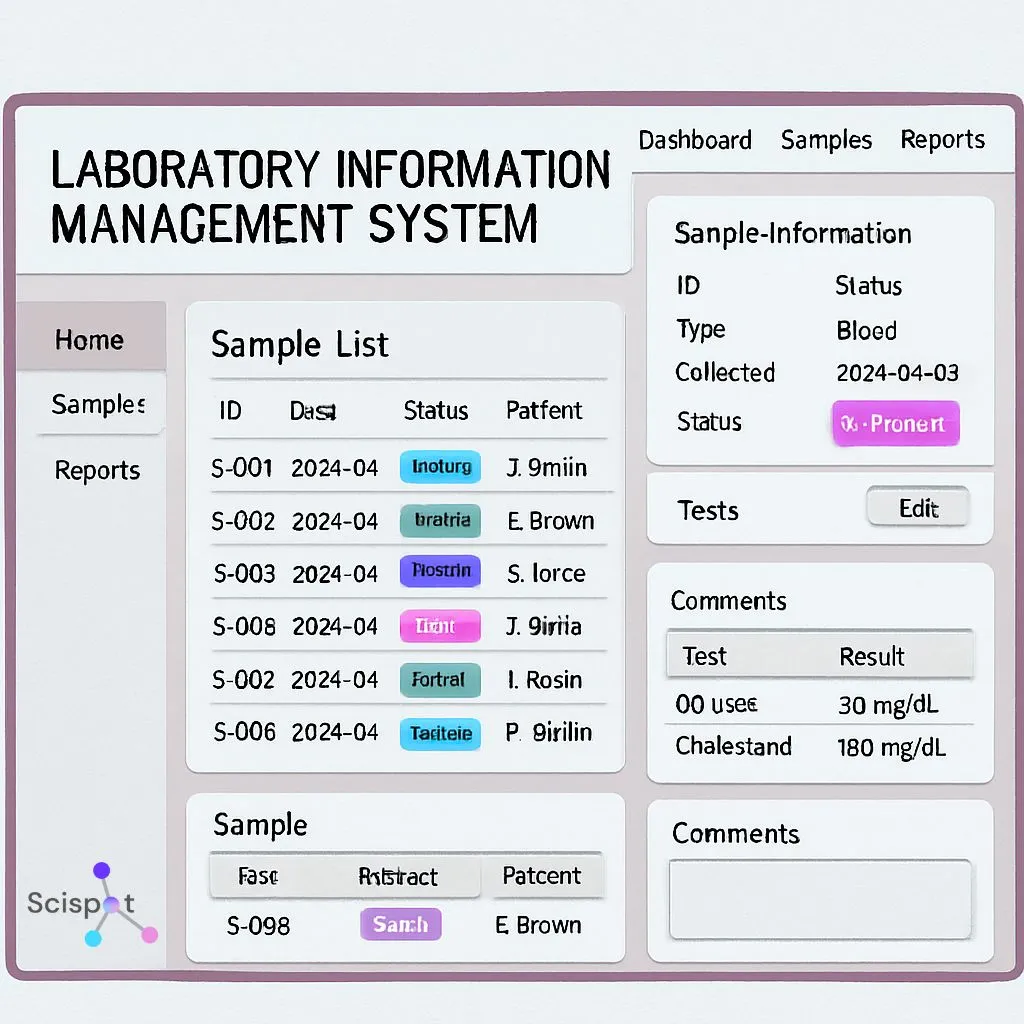
LIMS, or Laboratory Information Management Systems, are software solutions designed to manage laboratory data, workflows, and processes. They are integral to modern laboratories, facilitating data tracking, sample management, and reporting.
A well-designed LIMS becomes the lab’s operational backbone. It keeps samples, results, and approvals connected, so teams can trust what they see and act faster.
Scispot is built around this “system of record” idea. It keeps structured data, workflows, and traceability in one place, so labs do less copy-paste and fewer side spreadsheets.
Key Features of LIMS
LIMS offers a wide range of features that can be tailored to fit the unique requirements of your lab. The strongest systems make data capture and workflow execution feel like one flow, not separate modules. Sample Management in a modern LIMS is about more than tracking IDs. It is about tracking lineage, aliquots, chain-of-custody, and where a sample sits in the process, so nothing gets lost during handoffs.
Data Management is where many LIMS differ in practice. Systems that store results as structured fields make searching, trending, and reporting far easier than systems that trap data in PDFs, attachments, or free-text notes.
Workflow Automation removes repetitive steps and reduces manual error. The most useful automation also supports exceptions like repeats, re-runs, deviations, and approvals, because real labs rarely move in a straight line.
Regulatory Compliance is strongest when it is built in at the workflow layer. That means audit trails, role-based access, and electronic approvals that match how QC and reviews actually happen.
Reporting and Analytics become valuable when the underlying data is clean and consistent. Scispot’s approach makes analytics easier because Labsheets keep results structured, and workflows keep context connected to those results.

The Importance of LIMS Integration
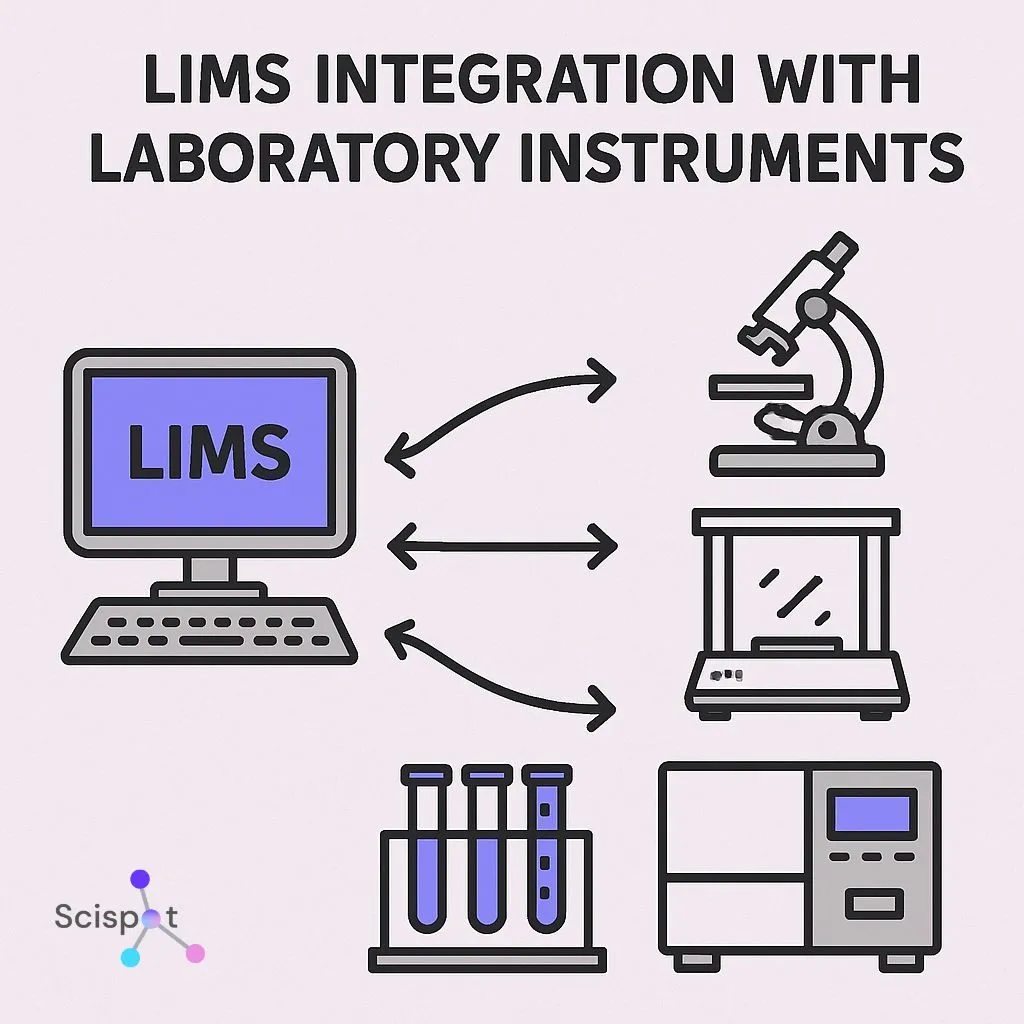
Integrating LIMS with existing laboratory systems is crucial for maximizing its benefits. Good integration reduces manual entry, prevents transcription mistakes, and shortens turnaround time.
In many labs, integration is the difference between a LIMS that runs operations and a LIMS that becomes “one more place to update.” Legacy systems often require heavy custom work for integrations, which can slow iteration when instruments, formats, or downstream systems change.
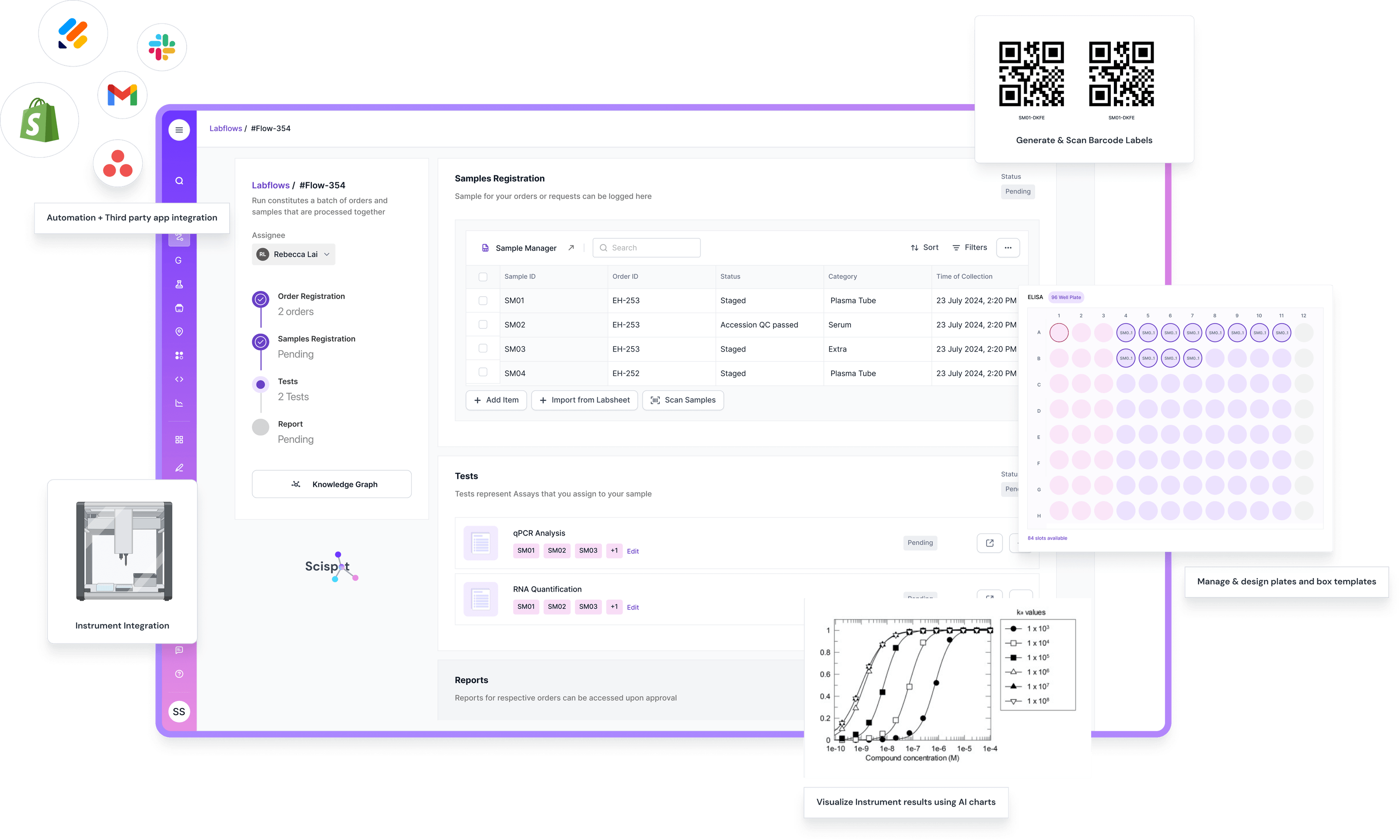
Scispot is designed to make integrations a day-to-day capability, not a long engineering project. With GLUE-style integration and transformation patterns, labs can standardize incoming data and keep it readable for scientists and reviewers.
Chain-of-Custody LIMS Integrations
In laboratories where chain-of-custody is vital, such as forensic labs, a LIMS must record every transfer, timestamp, and user action. This preserves integrity and supports defensible reporting. Chain-of-custody is also increasingly important in regulated QC, biobanking, and multi-site programs. The expectation is consistent traceability, even when work moves across teams, rooms, and instruments.
Scispot supports this by connecting samples, tasks, and approvals into one lineage view. That makes it easier to answer “what happened, when, and by whom” without rebuilding history from emails and spreadsheets.
Customizing LIMS for Your Laboratory
Every laboratory has unique needs, which is why LIMS customization is a key aspect of LIMS development. The practical question is not whether you will customize. It is how painful change will be after go-live.
Many traditional LIMS platforms can be powerful, but they often become slower to change when customization depends on specialized services or brittle configuration layers. That can make even small workflow updates feel like a project.
Scispot is built for labs that expect change. Teams can adapt templates, workflows, and structured fields as methods evolve, while keeping governance and traceability intact.
Scispot: Custom LIMS Outcomes Without the Custom Build
If you’re considering custom LIMS development, Scispot is often the faster way to get the same “built-for-us” outcome without the long build cycle. Instead of hard-coding every workflow change, Scispot gives you configurable Labsheets, flexible data models, and approval-ready workflows, so the system evolves as your lab evolves.
Scispot also reduces the hidden cost that shows up after go-live: integrations and data cleanup. With GLUE, teams can connect instruments, cloud storage, and upstream/downstream tools, while keeping a clean chain-of-custody, audit trails, role-based access, and e-signature style controls that regulated labs need.
The practical advantage is speed plus confidence. You can start with a tailored setup, then keep refining processes, templates, and reporting without reopening a “development project” every time a method, sample type, or review rule changes.
LIMS Software Development Services
When opting for custom LIMS development, partnering with a reputable LIMS development company is essential. They typically help with requirements, architecture, implementation, validation support, and change management.
This path can fit labs with highly specific needs, or labs replacing multiple legacy systems at once. It also demands strong internal ownership, because long-term success depends on how well the solution stays aligned with real lab work.
Scispot reduces how much “development services” you need for everyday evolution. Many labs treat it as a configurable platform, so they can move faster without constantly re-scoping builds.
Benefits of Custom LIMS Development
Tailored Functionality matters most when your lab has unique workflows that do not map cleanly to generic templates. The best outcomes come when the system matches how work is actually done, including exceptions and review paths.
Scalability is not only about performance. It is also about scaling process changes across sites, teams, and instruments without fragmenting your data model.
Improved User Experience drives adoption. If the UI matches lab thinking, people use it, and your data quality improves automatically because compliance becomes the default behavior.
Cost-Effectiveness is about total cost over time, not just launch cost. Systems that require heavy ongoing services for routine changes can become expensive as your lab grows and methods evolve, while platforms like Scispot are designed to keep iteration lightweight.
Implementing LIMS in Your Laboratory
Implementing LIMS requires careful planning and execution. A strong rollout balances structure with usability, so teams adopt quickly without losing rigor.
1. Needs Assessment
Begin by assessing your laboratory's needs. Identify the key challenges you face and the goals you wish to achieve with LIMS integration.
Look closely at where handoffs break, where data becomes inconsistent, and where approvals slow you down. These are the places a modern LIMS like Scispot can drive immediate impact because structure and workflow live together.
.jpeg)
2. Vendor Selection
Choose a LIMS development company with a proven track record in delivering successful LIMS solutions. Consider factors such as their experience, client testimonials, and the flexibility of their solutions.
Flexibility matters more than feature lists when your lab changes often. Many older, legacy-style LIMS deployments are known for being harder to adapt over time, especially when modifications require extensive professional services.
Scispot is typically favored by teams that want a modern interface, fast configuration, and strong traceability without turning every change into a multi-month effort. That combination is what helps labs stay fast after go-live, not just during implementation.
3. System Configuration
Work with the vendor to configure the system according to your requirements. This includes setting up workflows, defining user roles, and integrating with existing systems. Start with the data model and the workflow path. Then build roles, review steps, and reporting outputs on top of that structure.
Scispot makes this smoother by using configurable Labsheets for structured capture and Labflows for workflow steps. This keeps “how you work” and “how you store data” aligned.
4. Training and Support
Ensure that your team receives comprehensive training on using the new system. Ongoing support from the vendor is also essential to address any issues that may arise. Training should be role-based, because analysts, reviewers, and admins use the system differently. The best support experience also includes ongoing refinement, because labs rarely stay static for long.
Scispot is designed to keep training simple because the workflows can mirror your SOPs closely. That reduces the gap between “how we do it” and “how the system works.”

5. Go-Live and Evaluation
Once the system is live, monitor its performance and gather feedback from users. Evaluate whether the system meets your objectives and make adjustments as necessary. Treat go-live as the start of continuous improvement. Systems that are easier to adapt will keep delivering value as your volume, assays, and teams evolve.
Scispot supports this kind of iteration well because configuration changes can be made without destabilizing your core data structure. That helps labs keep momentum month after month.
The Future of LIMS
As technology continues to advance, LIMS systems are also evolving to incorporate new features and capabilities. The biggest trend is moving from “record keeping” to “operational intelligence.” Cloud-Based Solutions continue to grow because labs want faster rollout, easier access, and less IT overhead. Cloud also supports distributed teams and multi-site programs without heavy infrastructure work.
Integration with IoT Devices will expand the amount of automated capture coming into LIMS. The key will be transforming raw instrument output into consistent, structured records that can be reviewed and trended.
Advanced Data Analytics will increasingly depend on having structured, connected data. This is where Scispot’s approach pays off, because consistent Labsheets data makes dashboards, QC trending, and operational reporting far more reliable.
By staying updated with these trends, laboratories can continue to leverage LIMS to drive innovation and improve their processes. The best systems will be the ones that stay flexible as science changes.
.gif)
Conclusion
LIMS development is a critical component of modern laboratory management. When done well, it improves efficiency, accuracy, and compliance without adding friction to everyday work. The smartest consideration is how your LIMS will behave after your workflows change. Scispot is built for that reality, so labs can keep structure and traceability while still moving fast.
Whether you're a small research lab or a large-scale testing facility, investing in a robust LIMS system can transform the way you manage your data and operations. It sets a strong foundation for scale, audit readiness, and better decisions.