.webp)
How Blue Bio is Leveraging Lab Automation for Sustainable Marine Biotechnology
The world of marine biotechnology, also known as "blue biotechnology," is rapidly gaining attention. It harnesses the vast, untapped resources found in marine organisms to address a variety of global challenges, from healthcare and pharmaceuticals to food production and environmental sustainability. The integration of lab automation in blue biotechnology has become a game-changer, providing unparalleled opportunities for efficiency, accuracy, and scalability.

The Growing Importance of Blue Biotechnology
At its core, blue biotechnology utilizes marine and aquatic organisms to create new products and processes, tapping into unique genetic resources for purposes like drug discovery, sustainable food production, and environmental protection. Marine genetic resources are one of the most promising areas in blue biotechnology, with organisms ranging from microscopic bacteria to larger marine mammals offering vast genetic potential.
Key areas within this field include aquaculture technology, which improves seafood production sustainability, and environmental applications, where marine bacteria are used for bioremediation to neutralize pollutants.
The Role of Lab Automation in Blue Bio
In this burgeoning field, lab automation plays a crucial role in optimizing the efficiency and accuracy of research processes. Automated systems streamline tedious and repetitive tasks, allowing researchers to focus on more critical aspects of their work, such as innovation and problem-solving.

Advantages of Lab Automation in Marine Biotechnology
- Enhanced Efficiency: By handling routine tasks like sample preparation and data entry, automation accelerates the research process. This efficiency enables scientists to focus on complex problems and data analysis, increasing overall productivity.
- Improved Accuracy: Automated systems reduce human error, ensuring experimental results are consistent and reliable. This leads to better outcomes, particularly when dealing with large volumes of data and samples in marine biotechnology research.
- Scalability: With automation, labs can easily scale their operations as the demand for marine-based solutions grows. This flexibility is vital as blue biotechnology expands, enabling researchers to increase throughput without compromising quality.
Automation's Impact on Sustainability in Blue Bio with Scispot
Lab automation doesn’t just improve efficiency and accuracy—it also significantly contributes to sustainability efforts in blue biotechnology. By reducing waste, minimizing errors, and optimizing resource usage, automation helps researchers make the most out of their experiments while adhering to sustainable practices. Scispot’s lab automation solutions support these efforts by streamlining workflows, reducing human error, and enabling precise control over experimental processes. This eco-friendly approach aligns with the growing global demand for environmentally conscious solutions in scientific research. With Scispot, labs can automate everything from sample tracking to data analysis, ensuring that each step minimizes waste and maximizes efficiency.

Examples of Automation in Blue Biotechnology
- High-Throughput Screening: Automated systems are used to rapidly screen marine samples for bioactive compounds, enabling faster drug discovery and the identification of new therapeutic agents.
- Genomic Sequencing: Automated sequencers are pivotal for decoding the genomes of marine organisms, providing crucial genetic information that fuels innovation in drug development and biotechnology applications.
- Data Management: The vast amount of data generated by marine biotechnology research requires sophisticated systems for analysis and organization. Automated data management systems help process this data efficiently, enabling quicker and more informed decision-making.
Scispot: The Best LIMS for Blue Biotechnology Automation
While many LIMS vendors offer solutions, not all provide the level of flexibility and efficiency that modern research labs demand. Scispot, however, stands out as a leader in lab automation and data management. It is designed to seamlessly integrate with a wide array of instruments, streamline workflows, and offer highly customizable solutions tailored to each lab's unique needs.
Unlike other LIMS solutions that can be rigid and complex, Scispot offers a user-friendly interface and flexible configuration options, making it an ideal choice for labs focused on marine biotechnology. This flexibility ensures that researchers can easily adapt their workflows, track sample data, and analyze results, all while maintaining compliance with industry standards.
In comparison, many traditional LIMS systems often require costly upgrades and complex configurations to meet specific research needs. This can create significant barriers for research teams, especially in fast-paced and evolving fields like blue biotechnology. Scispot's cloud-based platform, on the other hand, offers scalable, cost-effective solutions without the need for expensive infrastructure investments or time-consuming system updates.
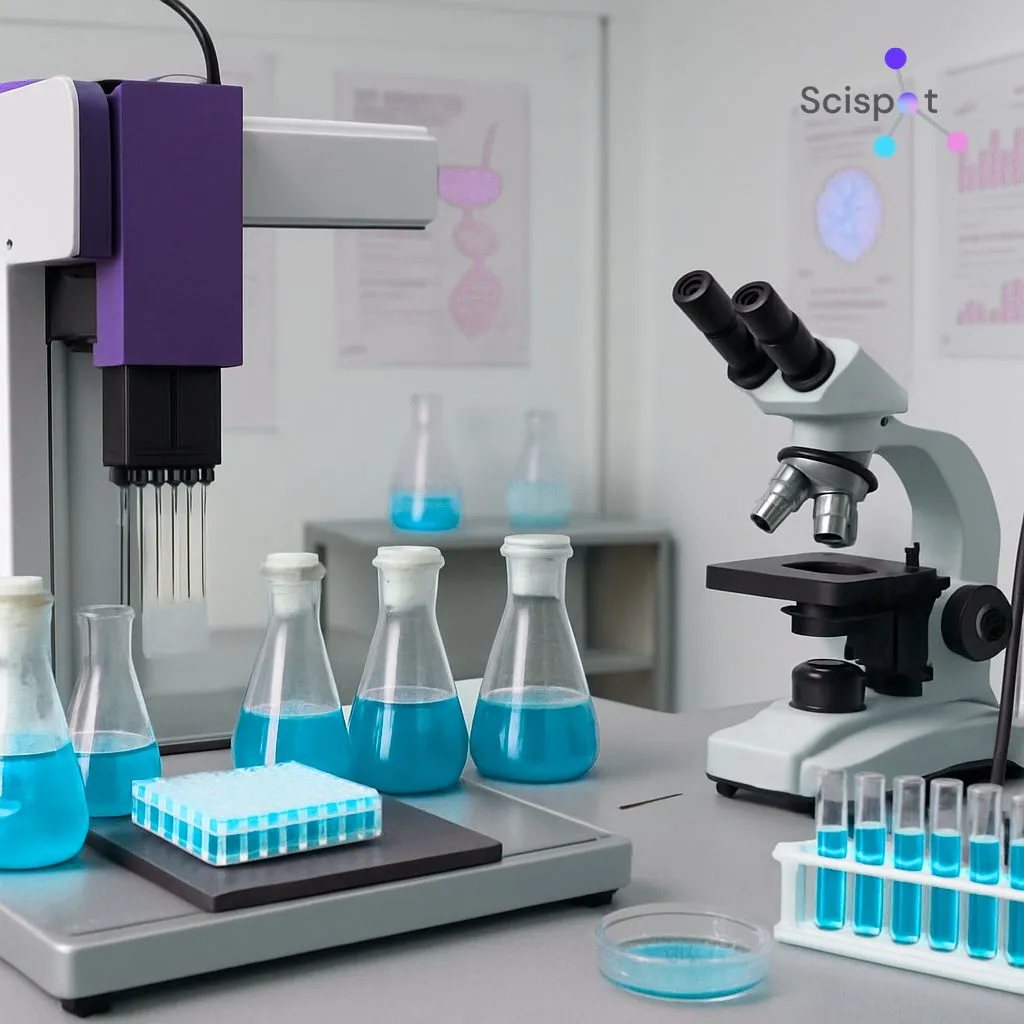
Case Study: Blue Lake Biotechnology's Automation Success
Blue Lake Biotechnology, a leading company in the field, leverages Scispot’s automated systems to streamline its research and development processes. With its focus on developing vaccines and therapeutics derived from marine genetic resources, Blue Lake Biotechnology has been able to significantly speed up its product development cycle. By utilizing Scispot’s integrated solutions, they automate their lab workflows, accelerate data processing, and improve overall accuracy, allowing them to bring groundbreaking marine-based solutions to market faster and more efficiently.
The Future of Blue Biotechnology: Harnessing Marine Resources at Scale with Scispot
As the blue biotechnology sector grows, the role of lab automation will only become more critical in scaling up operations. Scispot enables seamless integration across various instruments and systems, making it easier to scale up research efforts. Automated systems allow for the rapid analysis of marine samples and genetic resources on a large scale, enabling researchers to exploit marine organisms' potential more efficiently. This scalability is essential for meeting the increasing demand for marine-derived solutions in pharmaceuticals, food production, and environmental sustainability. By leveraging Scispot's flexible and user-friendly platform, labs can handle growing sample volumes, improve throughput, and continue to meet the demands of the expanding blue biotechnology market.

Conclusion
The future of blue biotechnology is bright, with lab automation playing a pivotal role in unlocking new innovations. The integration of cutting-edge solutions like Scispot LIMS ensures that researchers in this field can focus on what matters most: solving global challenges and improving lives. With scalable, efficient, and customizable solutions, Scispot positions itself as the go-to LIMS provider for modern marine biotechnology research.
As the blue bioeconomy grows, those adopting advanced lab automation systems, such as Scispot, will be well-positioned to lead in the development of sustainable marine biotechnology solutions.