
Laboratory Compliance, Simplified.
Explore laboratory standards, regulatory requirements, audit resources, and software to support traceable lab operations.
Trusted by 200+ life science labs





Explore Laboratory Standards


Find the Right Compliance Resource
Audit & certification
Certification guides, gap assessments, and internal audit checklists.
View audit resources →Documentation & quality
Document control, CAPA, risk management, and change control.
Explore document control →Security & data integrity
Audit trails, access controls, validation, and vendor assurance.
Read security overview →Start with a standard, a quality task, or your next audit question.

Compliance Guides & Practical Checklists
Selected resources for audit preparation, controlled records, and understanding the standards that apply to your lab.
01
ISO 17025 Internal Audit Checklist
A clause-by-clause starting point for reviewing lab practices, documenting findings, and preparing audit evidence.
Read checklist →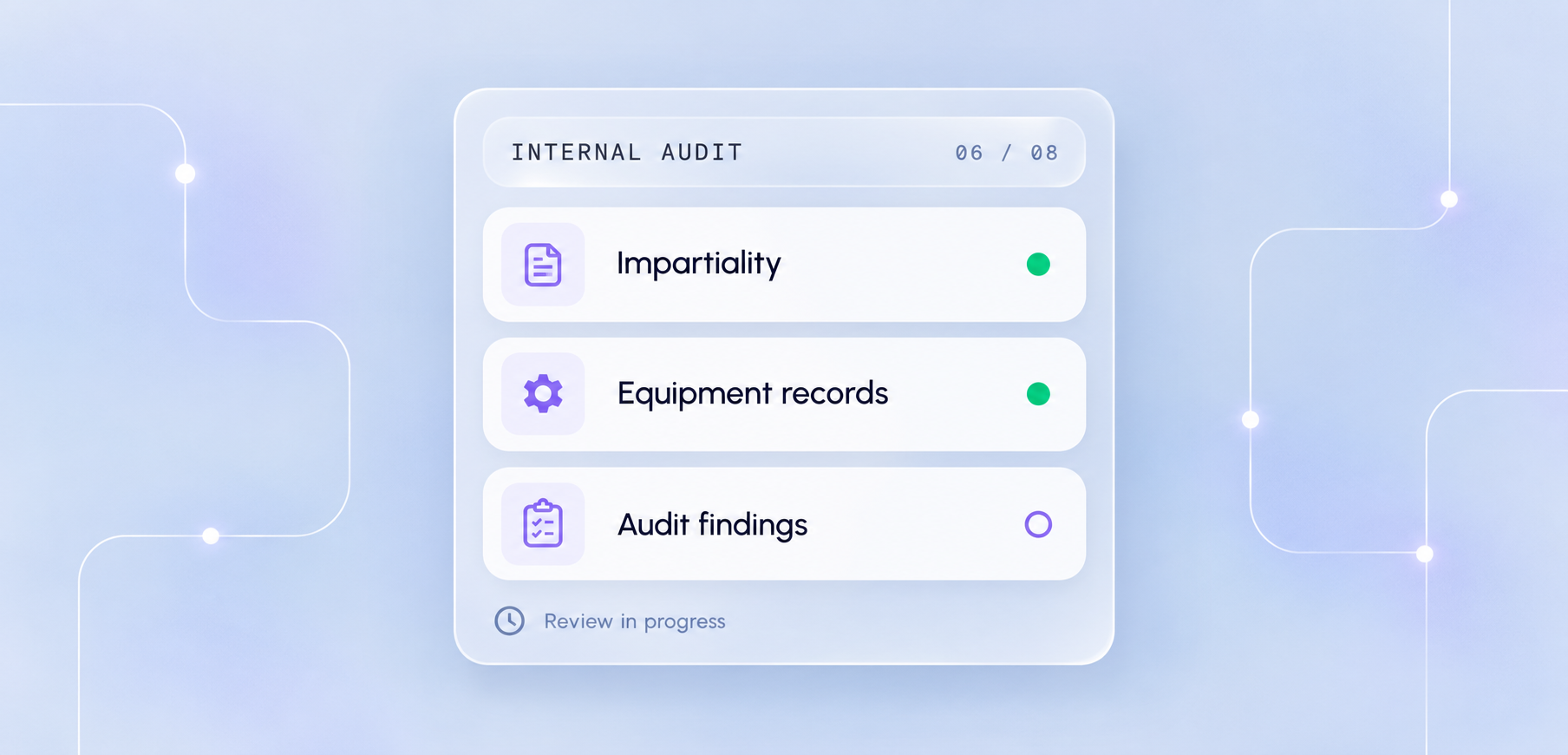
02
ISO 17025 Document Control
Understand approvals, revision history, obsolete documents, and access to current procedures.
Read guide →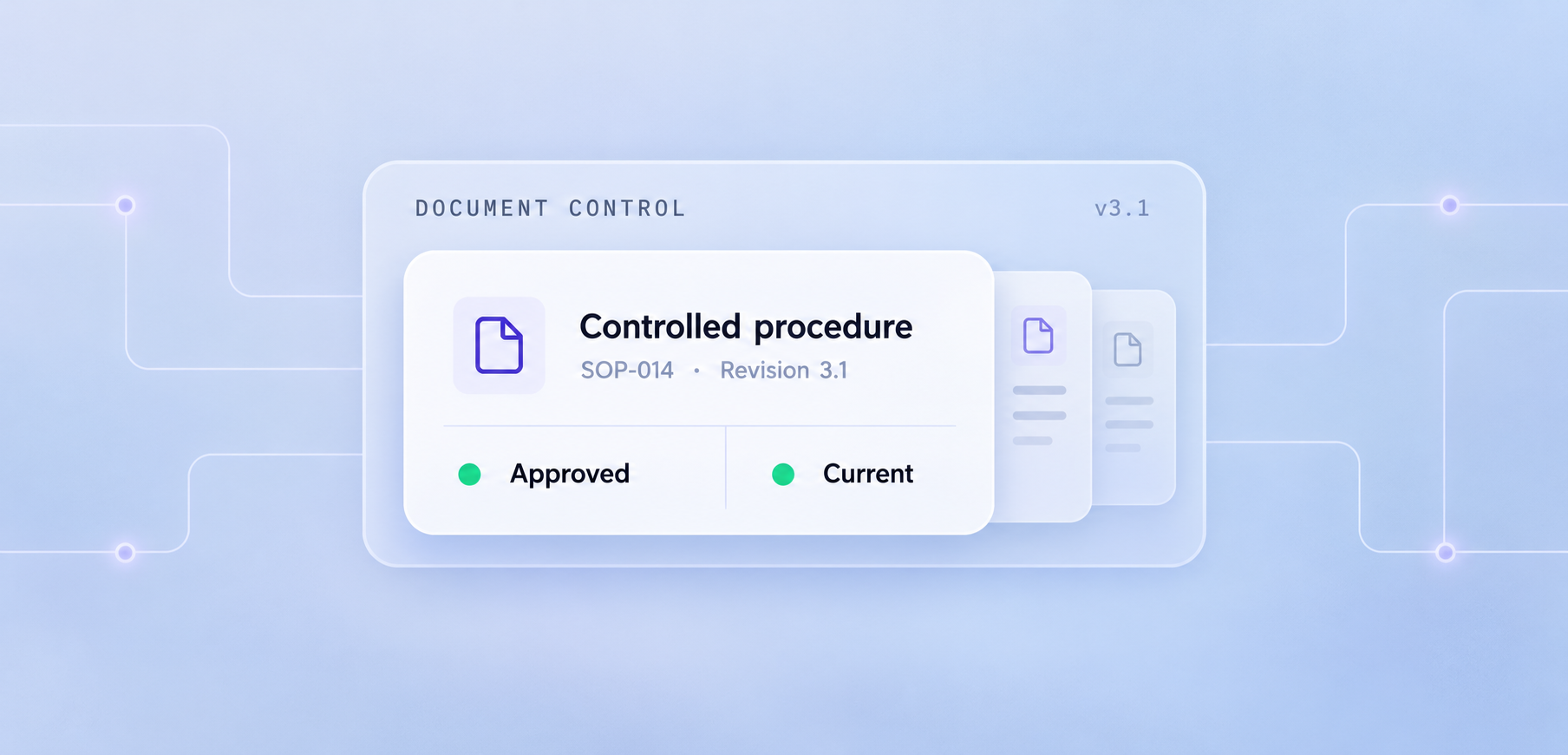
03
ISO 13485 Certification Guide
A practical guide to quality management, CAPA, risk management, and certification readiness.
Read guide →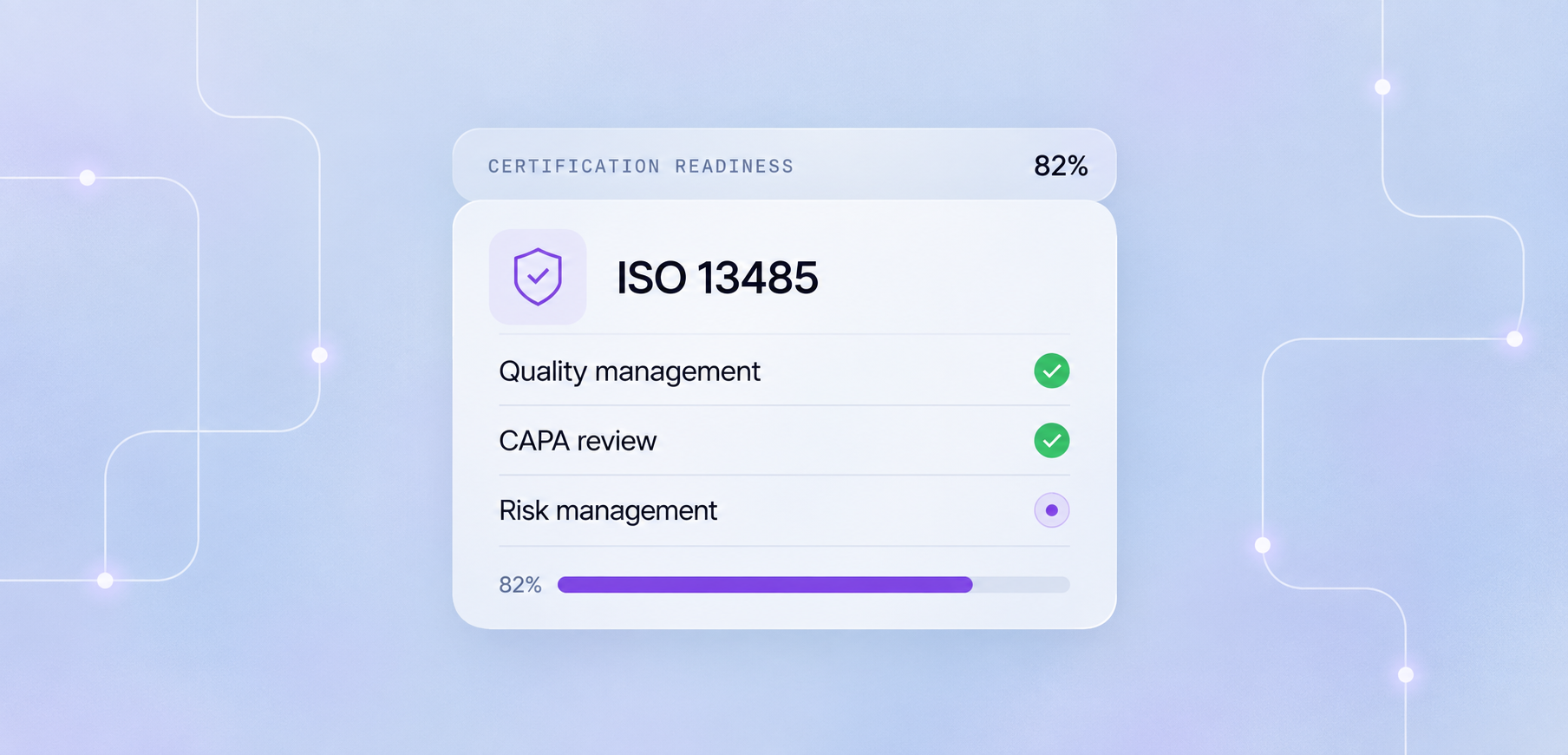
04
ISO 15189 Accreditation Guide
Review requirements for medical laboratory competence, quality systems, and accreditation.
Read guide →

Chosen by labs that set the standard






Frequently asked questions
What does laboratory compliance mean?
Laboratory compliance means following the standards, regulations, and internal procedures that apply to your work, then retaining records that demonstrate those controls operate as intended. The requirements depend on your lab type, location, and scope.
Which standard is right for my laboratory?
Start with your activities and intended use. ISO/IEC 17025 addresses testing and calibration competence, ISO 15189 applies to medical laboratories, and ISO 13485 concerns medical device quality systems. CLIA, GxP/GLP, and 21 CFR Part 11 may also apply. Confirm obligations with your quality team and the appropriate regulator or accreditation body.
How should a lab prepare for an audit?
Define the audit scope, map applicable requirements to processes and owners, assess gaps, perform internal audits, and collect current evidence. Common records include training, equipment and calibration, method validation, deviations, CAPA, document approvals, and result review.
What is the difference between a checklist and audit evidence?
A checklist describes what should be controlled or reviewed. Audit evidence demonstrates what happened, which version or method was used, when it happened, and who approved it. Both are useful, but a completed checklist alone does not establish compliance.
Can LIMS or QMS software make my lab compliant?
Software can support controlled records, traceability, audit trails, approvals, and document management. Compliance also depends on your procedures, validation, personnel, and actual use of the system. A software purchase does not itself certify or accredit a laboratory.