.webp)
What are the key laboratory applications in scientific research ?
In the world of scientific research and experimentation, laboratories play a pivotal role. They are the breeding grounds for innovations and discoveries that shape our understanding of the universe. In this article, we'll dive into the various applications of laboratory work, focusing on testing methods, laboratory tools, and the renowned "Benson's Microbiological Applications Laboratory Manual."
Laboratories serve as the backbone of scientific inquiry. They provide controlled environments where researchers can conduct experiments, test hypotheses, and validate theories. The insights gained from laboratory work are crucial for advancing fields such as medicine, biology, chemistry, and environmental science.

Testing Methods: The Heart of Laboratory Work
Testing methods are the processes that scientists use to analyze substances, identify compounds, and measure various parameters. These methods are essential for ensuring accuracy and reliability in scientific experiments. Some common testing methods include:
- Spectroscopy: A technique used to study the interaction between matter and electromagnetic radiation. It's widely used in chemistry to identify substances and determine their concentration.
- Chromatography: A method for separating mixtures into their individual components. It's invaluable in both analytical and preparative applications.
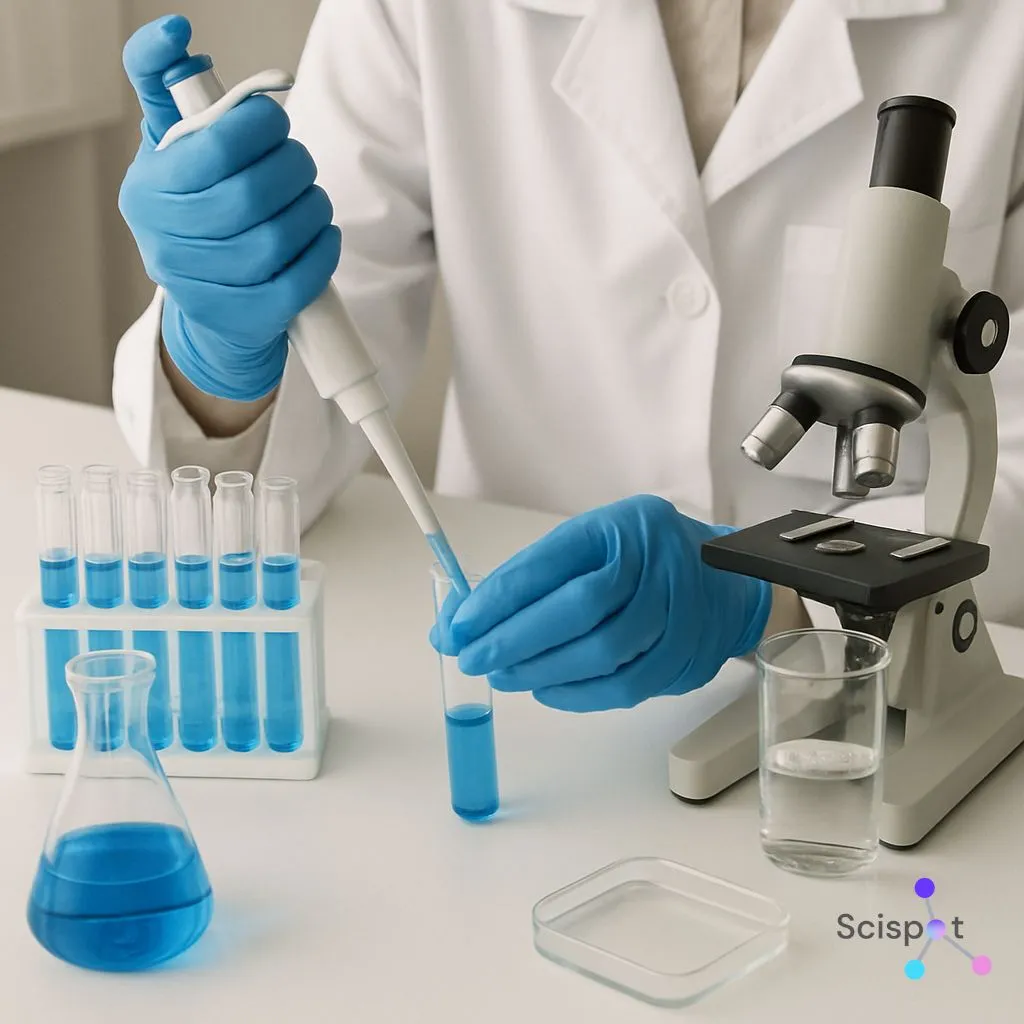
- Microscopy: This method involves using microscopes to observe objects that are too small to be seen with the naked eye. It's a cornerstone of microbiological applications.
Laboratory Tools: Essential Instruments for Success
In any laboratory, tools and equipment are crucial for conducting experiments and obtaining reliable results. Some of the most commonly used laboratory tools include:
- Pipettes: These are used to measure and transfer small volumes of liquid accurately.
- Bunsen Burners: A staple in chemistry labs, these provide a heat source for various applications.
- Centrifuges: These are used to separate substances based on their density by spinning samples at high speeds.
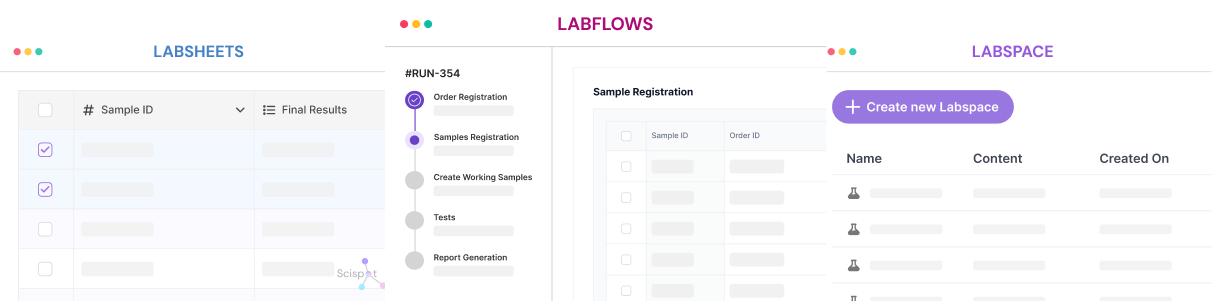
Scispot: Bringing Laboratory Applications Into One Connected Workflow
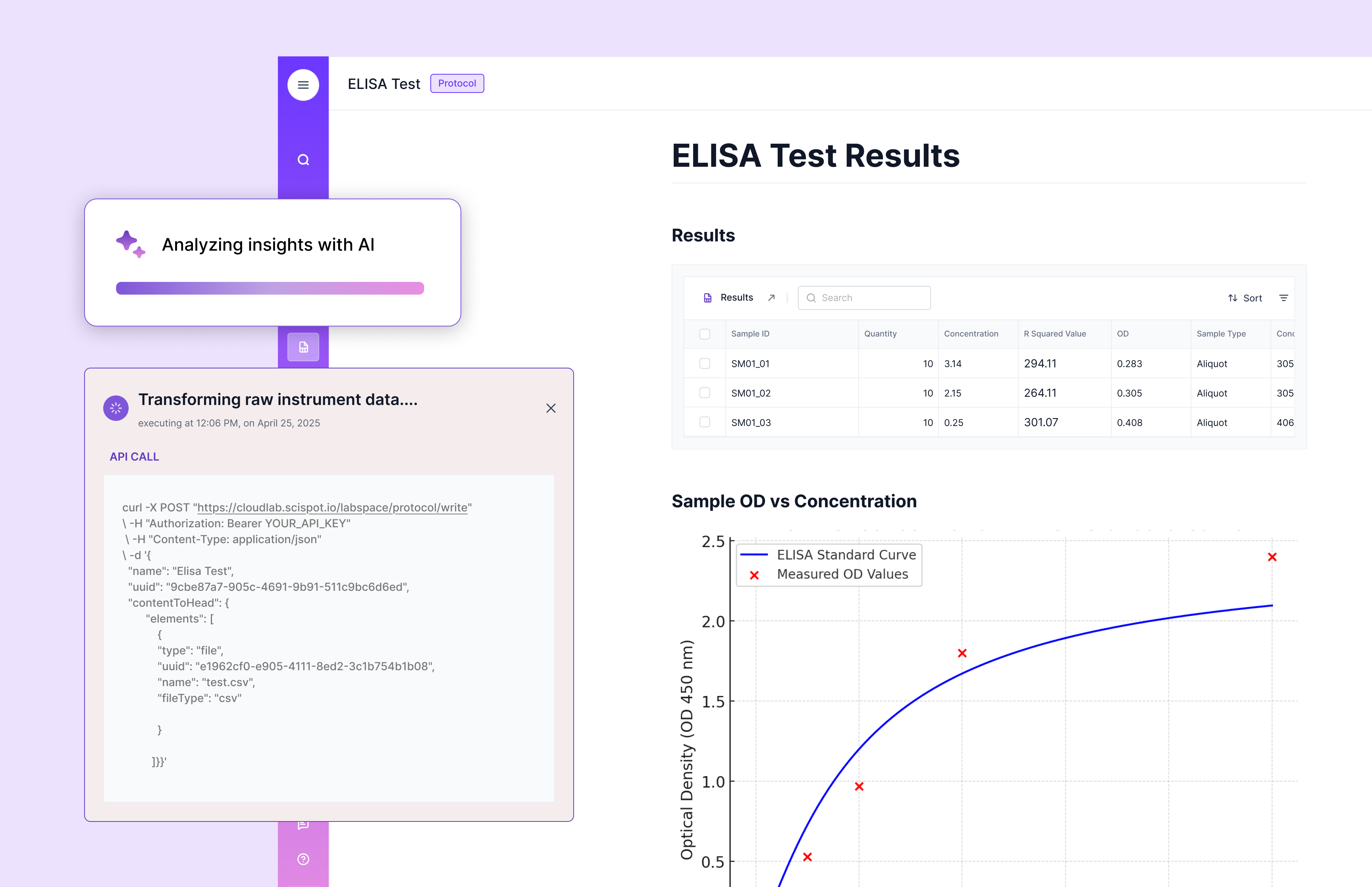
Modern laboratory application work is no longer just about running tests. It is also about keeping every sample, method, instrument output, and review step tied together in one traceable story. That’s where Scispot fits naturally. Scispot brings your core lab work into one system: structured experiment capture (Labsheets), step-by-step workflow and chain-of-custody (Labflows), and clean data ingestion from instruments or file drops (GLUE). So when you run spectroscopy, chromatography, microscopy, or biochemical testing, the raw files, calculations, approvals, and final results stay connected to the same record. It reduces “which file is correct?” moments. It also makes it easier to repeat methods with consistency.
This matters a lot for microbiology workflows too. Benson’s manual is excellent at teaching how to do microbial cultivation, staining, and biochemical tests. Scispot helps you run those methods with less manual glue. You can turn a procedure into a reusable digital template. You can enforce required fields for critical steps like incubation time, media lot, stain type, and QC checks. You can also standardize how observations get recorded across students, technicians, and teams. Think of Benson’s as the recipe book, and Scispot as the kitchen line that ensures every dish is made the same way, logged the same way, and reviewed the same way.
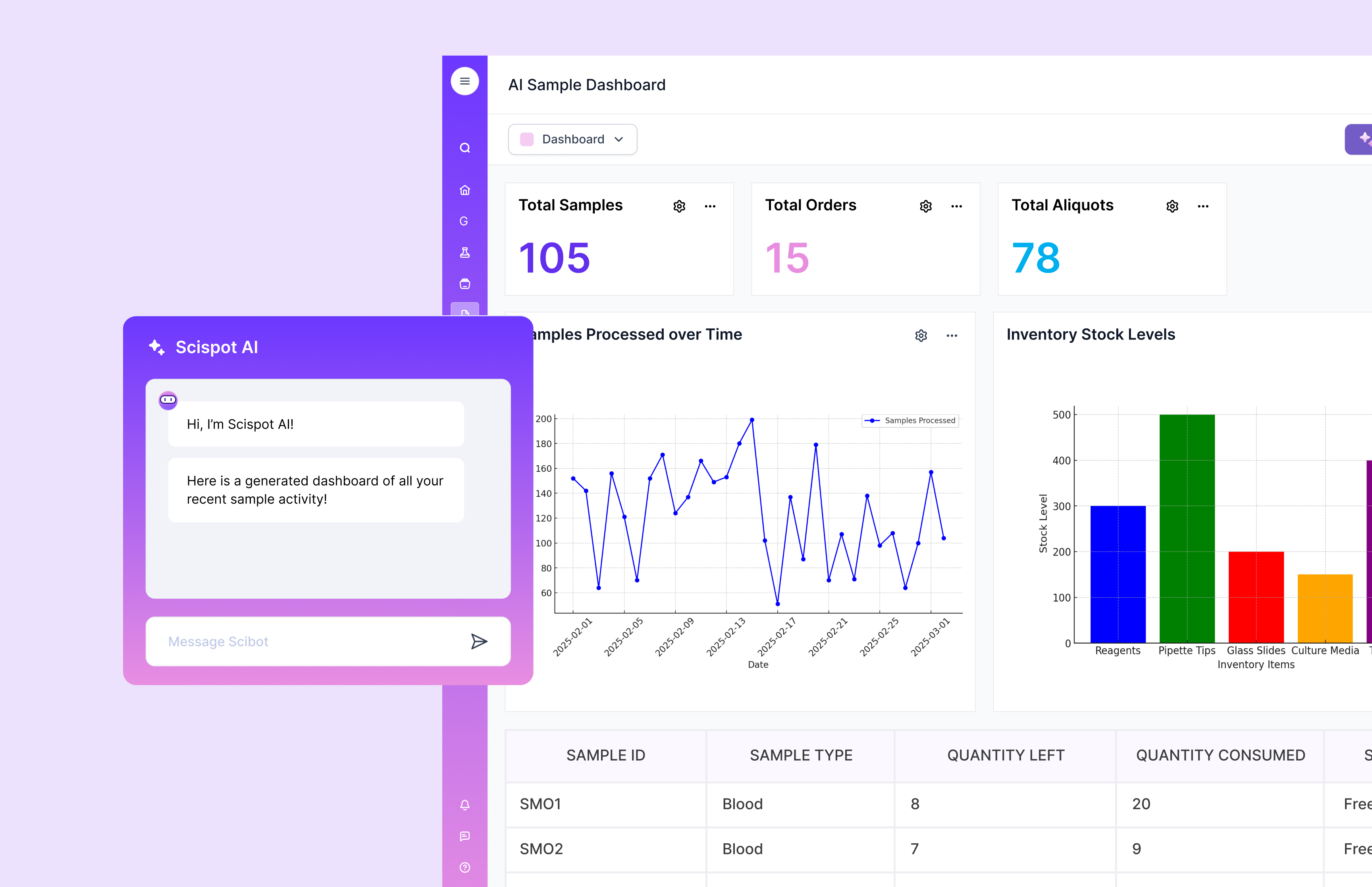
As labs move toward automation, robotics, and digital laboratories, the real bottleneck becomes data continuity. Robots can run plates fast, but spreadsheets still break handoffs. Scispot acts like a “control tower” for modern labs. It keeps testing methods, tool outputs, and documentation linked end-to-end. It also supports audit trails and role-based access. That makes it easier to collaborate, scale workflows, and defend results during reviews. You get faster turnarounds, cleaner traceability, and fewer process gaps as your lab grows.
Benson's Microbiological Applications Laboratory Manual
One of the most respected resources in the field of microbiology is "Benson's Microbiological Applications Laboratory Manual." This manual provides detailed instructions on various laboratory techniques and procedures, making it an indispensable tool for students and professionals alike.
Overview of Benson's Manual
Benson's manual is available in both PDF and EPUB formats, ensuring accessibility for all users. It covers a wide range of topics, including:
- Microbial Cultivation: Techniques for growing and maintaining microbial cultures.
- Staining Techniques: Methods for coloring microorganisms to make them visible under a microscope.
- Biochemical Testing: Procedures for identifying microorganisms based on their biochemical properties.
Why Use Benson's Manual?
The manual is lauded for its clarity and comprehensive coverage of microbiological applications. It's an excellent resource for anyone looking to gain a deeper understanding of laboratory techniques and their applications in research.

Innovations in Laboratory Applications
The field of laboratory applications is constantly evolving, with new innovations emerging regularly. These advancements are driven by the need for more efficient, accurate, and cost-effective methods. Some recent innovations include:
Lab-on-a-Chip Technology
This cutting-edge technology miniaturizes laboratory processes, allowing for multiple tests to be conducted on a single chip. It's particularly useful in point-of-care testing, where rapid results are needed.
Automation and Robotics
The integration of automation and robotics in laboratories has revolutionized research applications. Automated systems can handle repetitive tasks, freeing up researchers to focus on more complex aspects of their work.
Digital Laboratories
With the rise of digital technology, laboratories are becoming more connected and data-driven. Digital laboratories utilize advanced software and cloud computing to streamline processes and enhance data analysis.
Applications and Research in Laboratories
Laboratories are not just places for conducting experiments; they are also hubs for research and development. The insights gained from laboratory work have far-reaching applications, including:
Army Applications Laboratory
The Army Applications Laboratory is at the forefront of developing technologies that enhance national security. By leveraging laboratory research, they create solutions that address the unique challenges faced by the military.
Environmental Science
Laboratory applications play a critical role in environmental science, where they are used to study pollution, climate change, and ecosystem dynamics. The data collected from laboratory research informs policy decisions and conservation efforts.
Medical Research
In the field of medicine, laboratory applications are essential for developing new treatments, understanding disease mechanisms, and improving patient care. Laboratories are where groundbreaking medical innovations begin.
Conclusion
Laboratory applications are the foundation of scientific progress. From testing methods and laboratory tools to innovations and research applications, the work done in laboratories has a profound impact on our world. Resources like “Benson’s Microbiological Applications Laboratory Manual” provide clear guidance on how to run core microbiology techniques with confidence. As technology continues to advance, laboratories will stay at the center of discovery, but the winning labs will be the ones that can run methods consistently and keep their data connected from start to finish.
This is where Scispot stands out as the best solution. Scispot helps labs turn everyday laboratory applications into repeatable, trackable workflows by keeping samples, metadata, protocols, instrument files, results, and approvals tied to one system. Instead of chasing spreadsheets and scattered folders, teams get a clean chain-of-custody, faster reviews, and fewer data gaps across spectroscopy, chromatography, microscopy, and microbiological testing. With Scispot, labs don’t just do great science. They also keep it organized, auditable, and easy to scale.